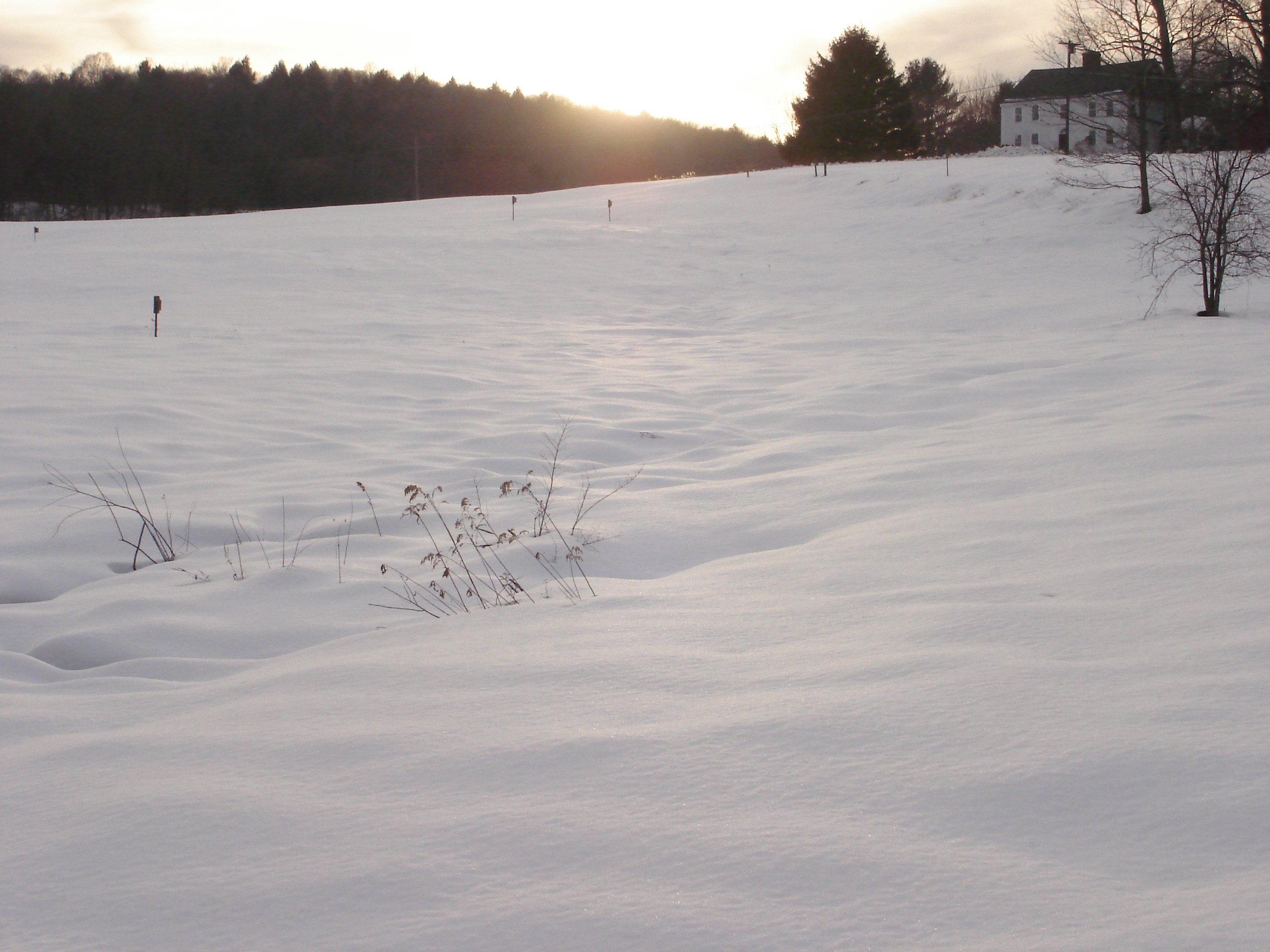
For those of us in the Snow Belt, winter in the garden is pretty much limited to observation from inside the house, which can be quite rewarding if you have evergreens, interesting twiggy shrubs and good, solid background structure. If you don’t have much more than mounds of dormant perennial and vegetable beds, perhaps now you can take time to plan more structure which you can implement in the spring.
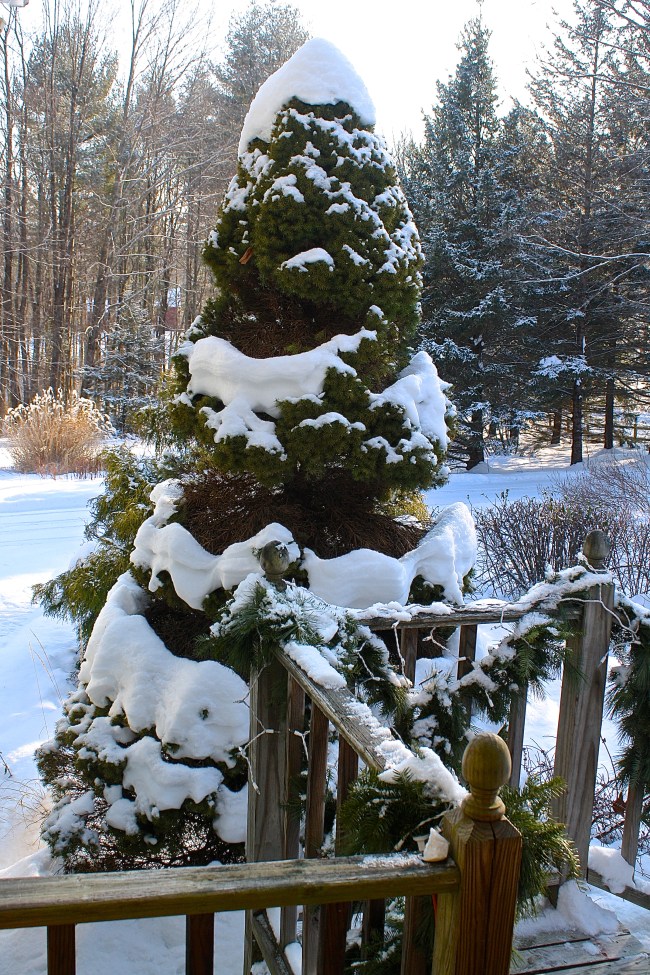 Although your mailbox may be full of distracting seed catalogs, take time to dream of the bigger picture, imagining yourself walking through a yard that has more than just gardens of small leafy plants, one that has good “bone” structure and holds its own when the more tender plants have succumbed to frost.
Take some photos (consider these the “before” shots) and play around with ideas using a landscaping app on your computer. If that is too high tech, simply print out a few 8 x 10s and play around pasting or drawing features in spots that look bare. Your mind will fill in the blanks with ideas once you start the process flowing. It doesn’t have to be perfect, but it should be fun!
Placing shrubs at intervals along the back and ends of beds or at certain focal points in your yard adds interest, allowing the eye to rest upon the special features each offers, whether it be shape such as conical evergreens; shaggy, exfoliating stems like ninebark, mottled bark like stewartia, or colorfully bright branches such as red- or gold-twigged Siberian dogwood.

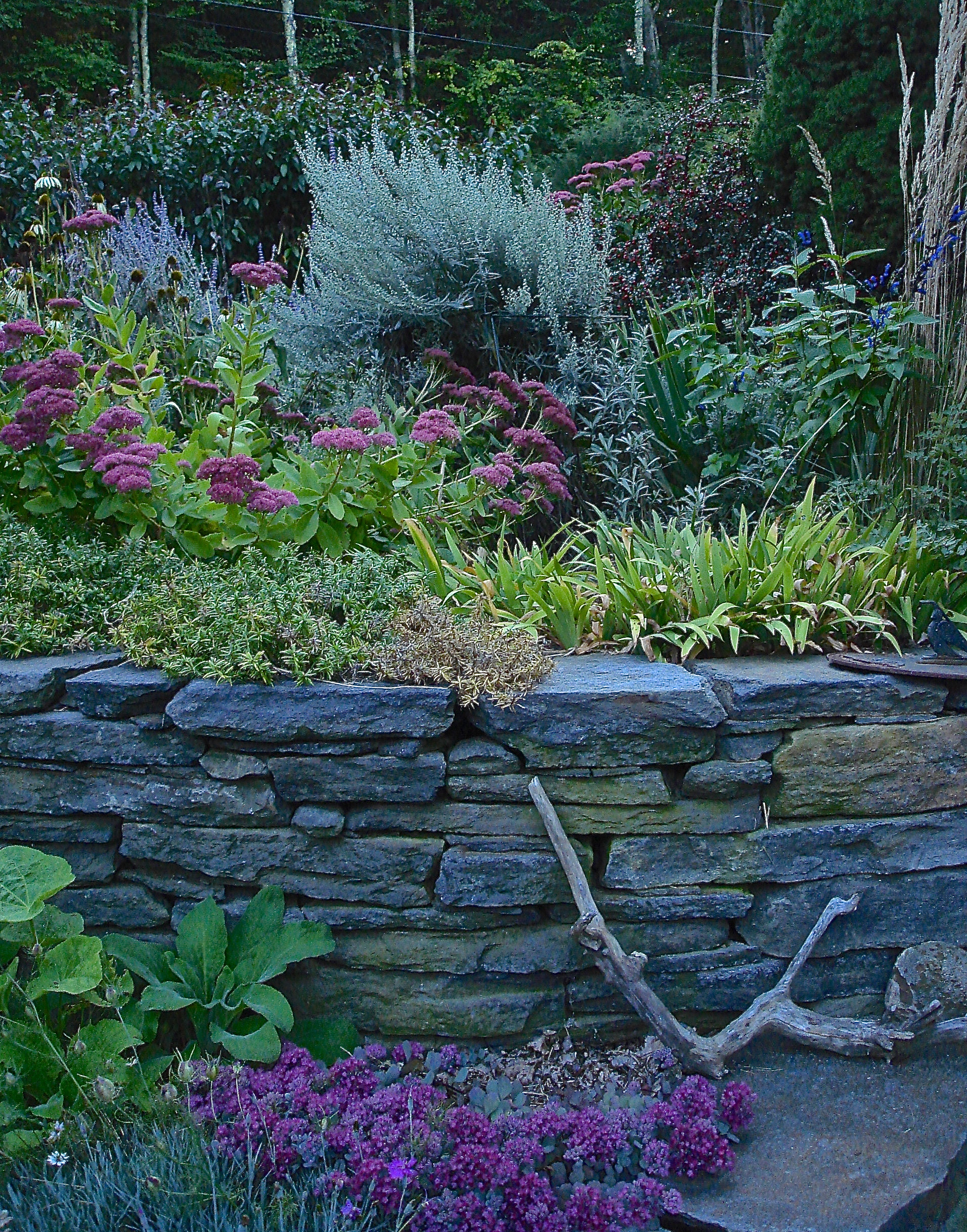
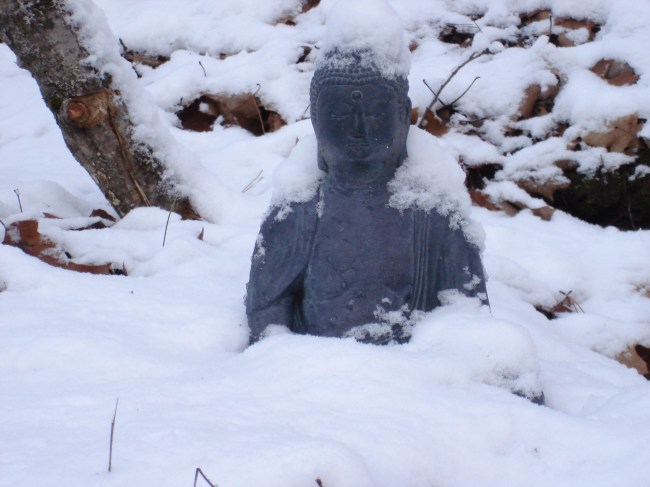
If your land is sloping, you can create stone retaining walls or a winding path paved with flat-stone that is pleasing in any season, but with a few inches of snow, becomes captivating with contrasting light snow against dark stone. Benches, interestingly-shaped boulders or art pieces are attractive additions. Arbors, fences and gates can be formal or rustic, depending on your garden taste and style. All these various elements are an expression of your individual personality played out in your garden.
Once you have settled on a few new things to implement come spring, try them out for a year and if you need to, you can add or move things to better suit you. Few things are permanent in the garden and after all, it is the process that is the point, the means that justifies the end.