Judge not…

Judge not...

Posted in Inspirational Quotes | Tagged , , | Comments Off on Judge not…

October Gardening

GARDENER’S CORNER (Zone 5/6)

IMG_5196

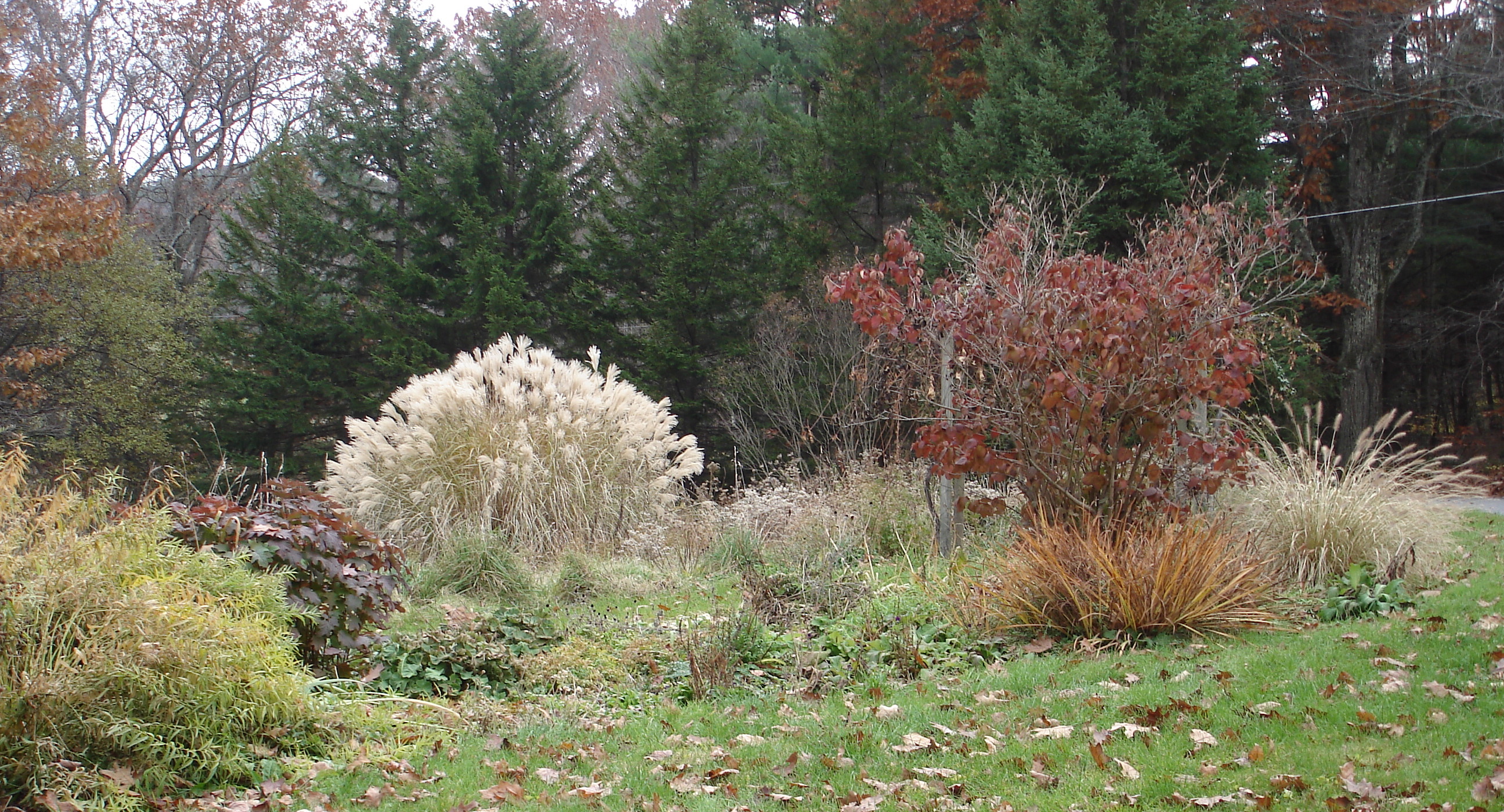
In October, frosts diminish our gardens until even the last of the asters and chrysanthemums pass. Now we come to appreciate the backbone of the landscape: dried perennial grasses, evergreens, silhouettes and bark of trees and shrubs, large stones, as well as man-made structures like arbors, benches and statuary.

Autumn Grass

Autumn Grass

In dormancy, a well-structured garden can be as rewarding as in full summer. View your garden from inside your home to determine improvements that could enhance your year-round enjoyment.

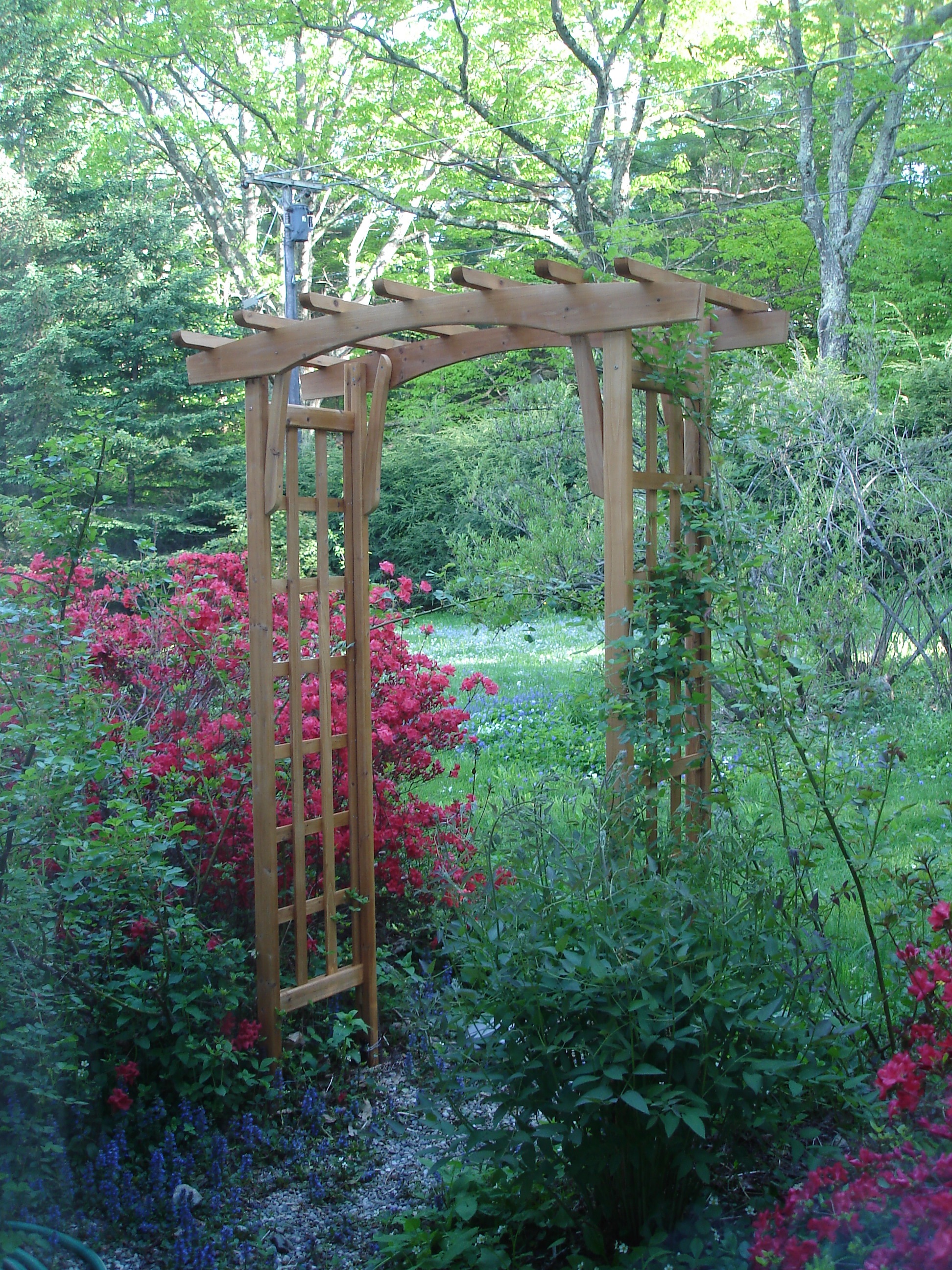
Garden Arbor

Garden Arbor

Since there are fewer garden chores, now is a good time to place new structures and safely transplant dormant perennials. Mulch well to prevent frost heaving in late winter. Shrubs and trees can be transplanted up to a month before the ground freezes. Continue watering all transplants up until that time.

Plant some eye-catching flowering bulbs for early spring color.

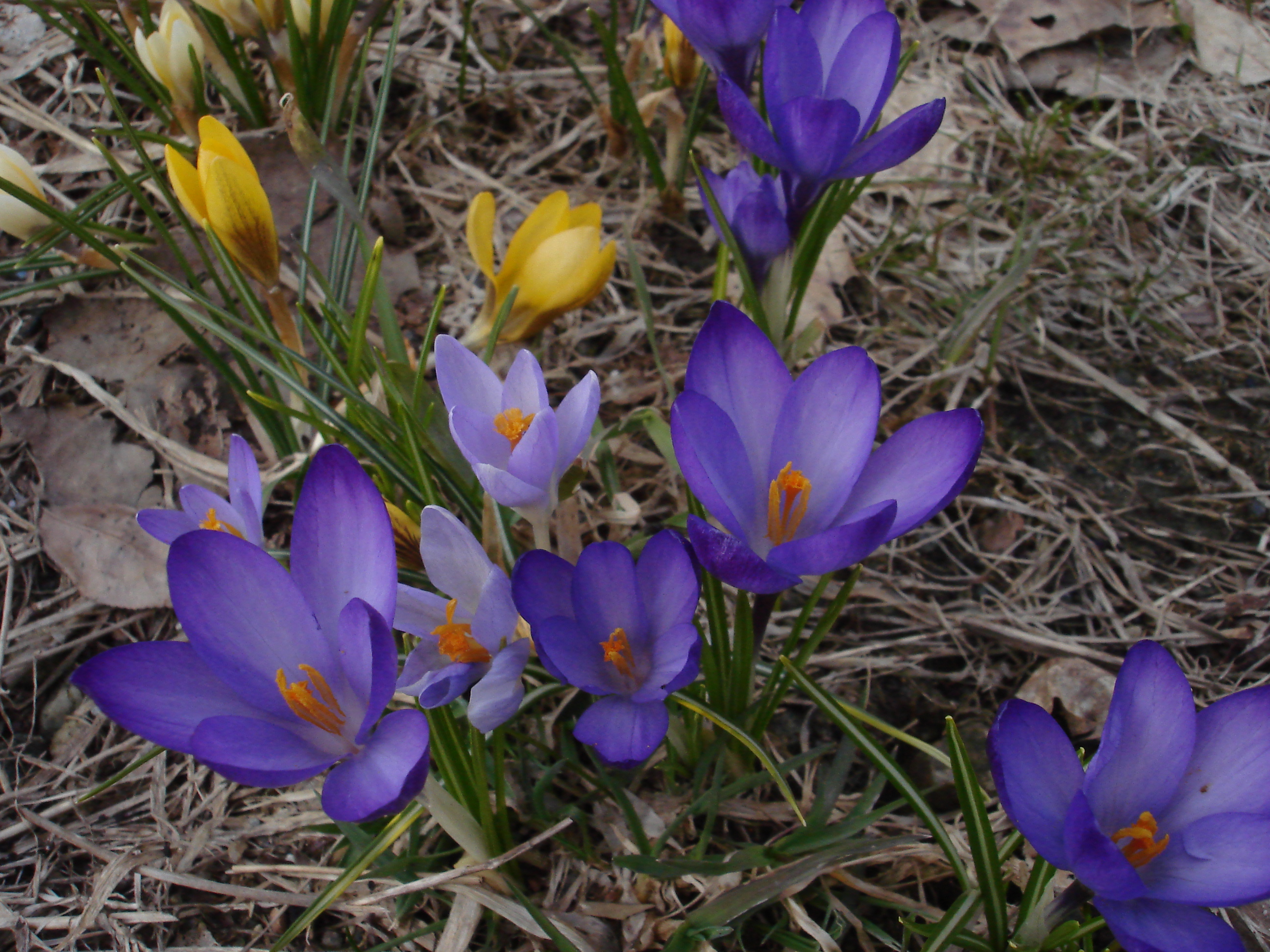
MarApr09 006Try underplanting small trees with swaths of crocus or similar April bloomers. The snow melts earlier here and bulbs break forth to cheer us after the long winter. Children love fairy rings planted in a circle in the lawn (especially nice to view from an upstairs window). Placing a stick at the center,  attach a string 2-3’ long and plant bulbs at the end of the string, spacing them around the circle. (A package of 36 crocus spaced every 4” would create a 4’ circle.)

Forced Bulbs

Forced Bulbs

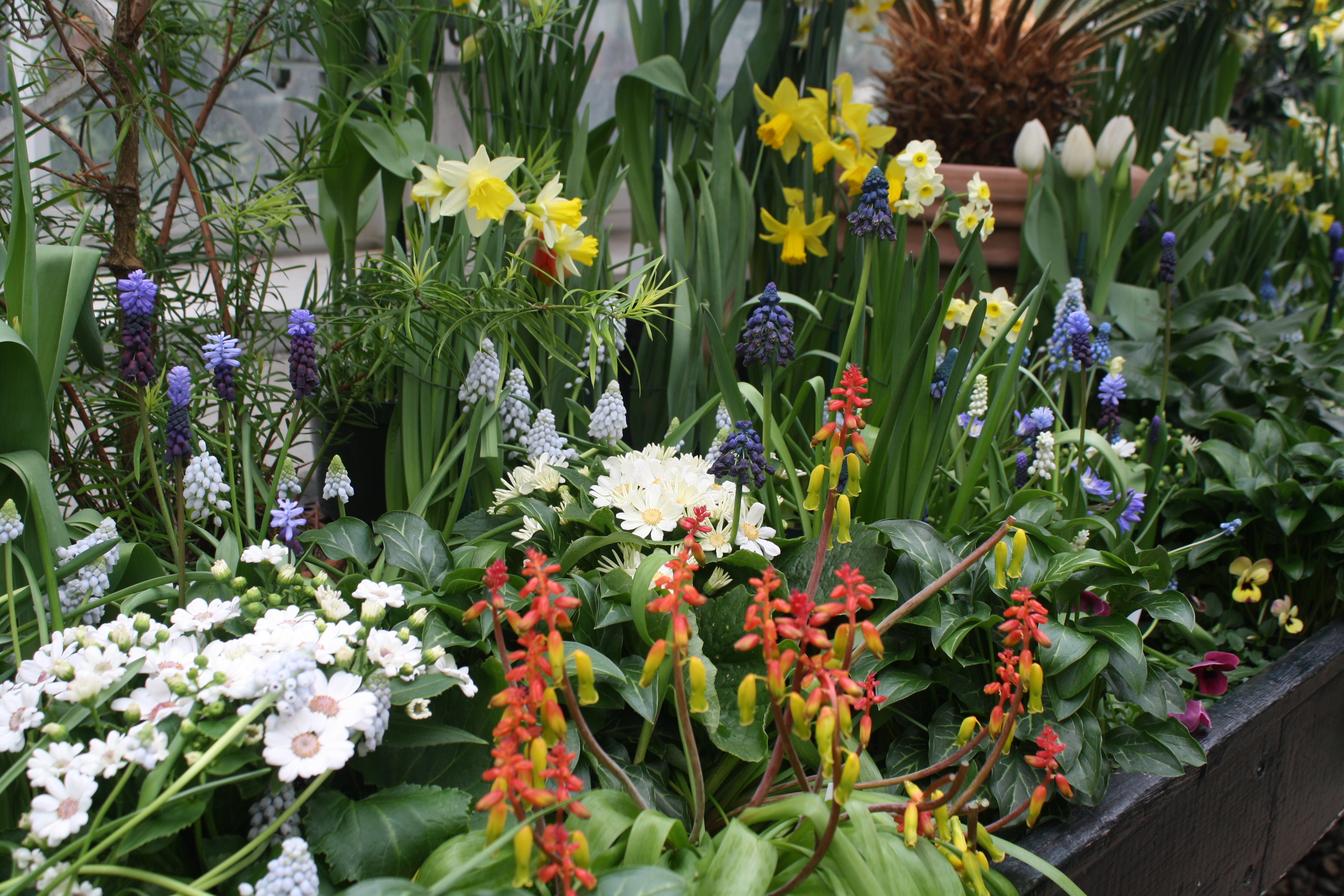
While you are at it, why not plant a few bulbs for forcing indoors? Most bulbs require 8-12 weeks of cold in order to break dormancy. Choose early bloomers under 16” for best success. Plant in pots with nose tips above soil, water and place in a cool cellar or garage (40-50°) for 2 months for small bulbs and 3 months for larger ones. Check periodically for dryness. A hole dug in the ground and covered with hay would work as well, but you’d have to dig them out in January, which might be a task if there’s lots of snow! Some have success placing the bulbs in paper bags in the fridge then planting them once they start sprouting. When the requisite cold period is up, place pots in a cool window with indirect light and gradually increase light as they grow. Keep cool to resist bolting too fast. Forcing bulbs is an easy way to create the cheerfulness of spring on a cold winter’s day.

IMG_3977

Posted in Country Gardening, My Photos | Tagged , , , , , , , , , , , , , , , | 1 Comment

Perseverance

perseverance


Posted in Inspirational Quotes, My Photos | Tagged , , | 2 Comments

man vs. nature

Posted on by Eliza Waters | Comments Off on Man vs. Nature

Asters

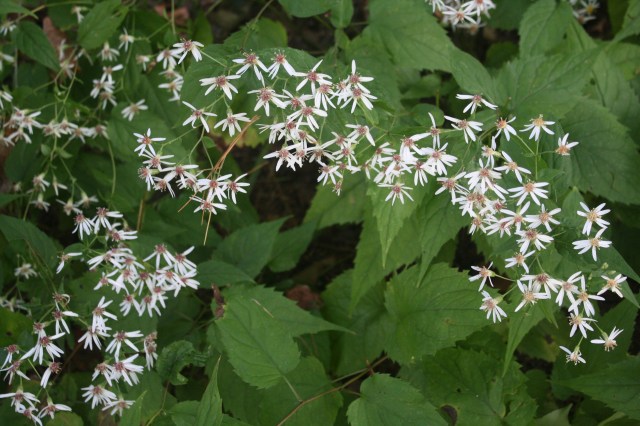
White Wood Aster

White Wood Aster

Among the last native flowers to bloom, Asters are impressive with over 50 species found in the northeast alone, many being garden worthy. Against the gold of autumn, their deep purple and lavender blooms nodding in the breeze always catch my eye. I am fortunate to have many different species on my property and my walks at this time of year are delightful as I view the domestic and wild plants that grow here. Always filled with bees and butterflies, particularly Monarchs and Fritillaries, I’m not the only one who benefits from this last hurrah of Nature. Seed spread by the wind ensures that delight will increase in the years to come.

From the Greek meaning ‘star’, Asters are composite flowers with fertile disc florets in the middle with sterile ray florets on the outer perimeter forming the petals, occurring singly or in corymbs (clusters). Species range in height from six inches to eight feet tall, spreading up to three feet wide. While most flower better in full sun, they tolerate part shade and will thrive in moist to well-drained soil, as well as a wide range of pH. They are prone to mildew, rust, leaf spot and aster wilt, so good air circulation and frequent division of clumps are advised. The genus has recently been reclassified as Symphyotrichum but Aster is still recognized.
New England Aster

New England Aster

The most familiar species is New England Aster (S. nova-angliae). In the wild, purple is the most common color, however, many cultivars have been developed over the years with currently about 50 in cultivation. Available in red, pink, lavender, purple and white, their flowers are 1-2” wide, and they range up to 6’ tall and 3’ wide.

New England Aster

New England Aster

New York Aster

New York Aster

New York Aster (S. novi-belgii) is similar but is found in moister soils and swampy areas. Easily hybridized with over 300 cultivars available, the range of colors is vast. Height is 3-4’ with smooth green foliage, as opposed to the rough, hairy stems and foliage of the New England Aster.

Calico Aster

Calico Aster

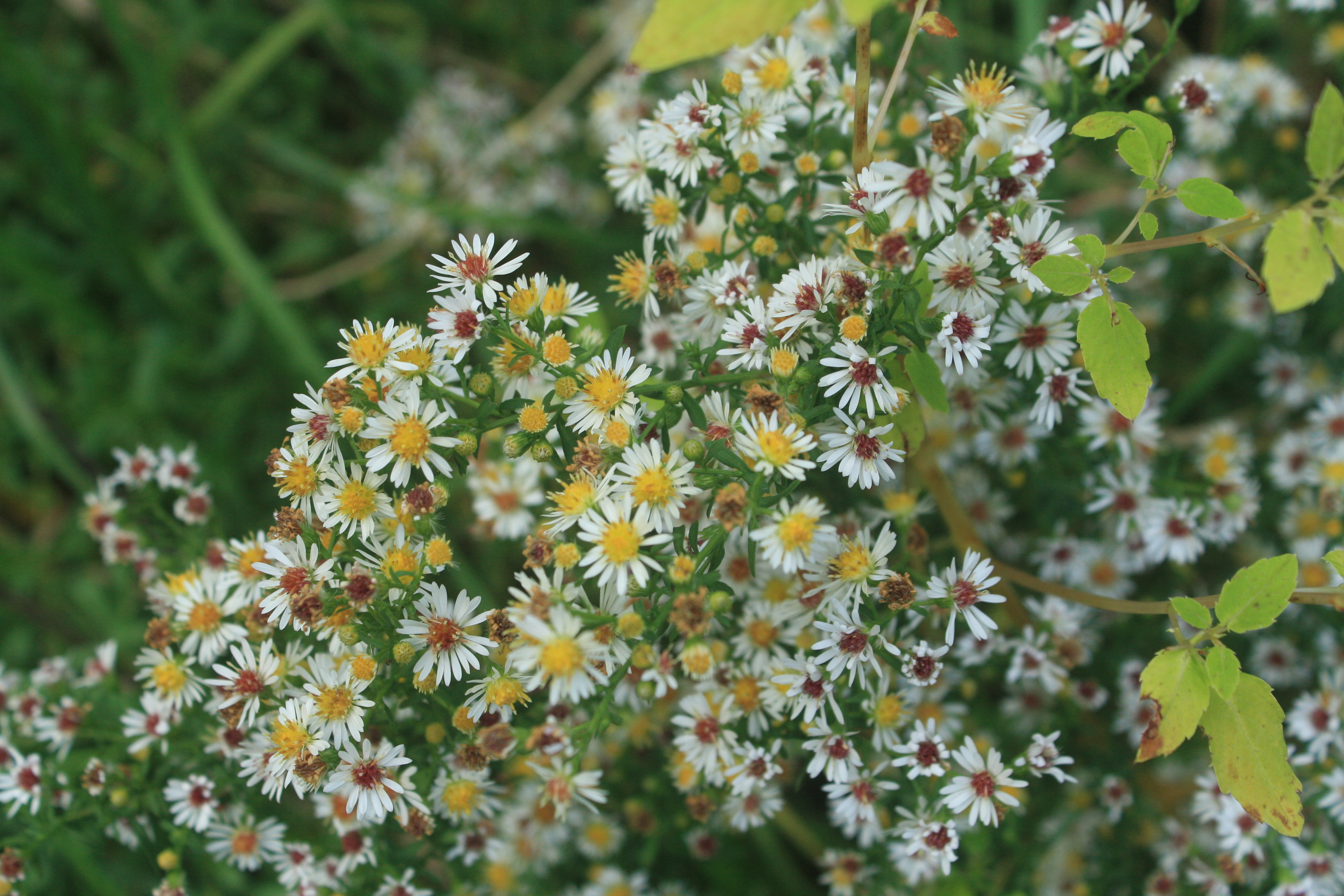
Calico Aster (S. lateriflorum) has 1/4-1/3” white ray florets with disc florets that start yellow then turn purple-brown as they age, giving the impression of calico fabric when viewed from the distance, hence the name. Height ranges 3-5’.

Heartleaf Aster

Heartleaf Aster

Heartleaf Aster or Common Blue Wood Aster (S. cordifolium) has cloud-like clusters of ½” lavender flowers on erect wiry stems up to 4’ tall. It is a lovely sight to behold, one I look forward to every year.

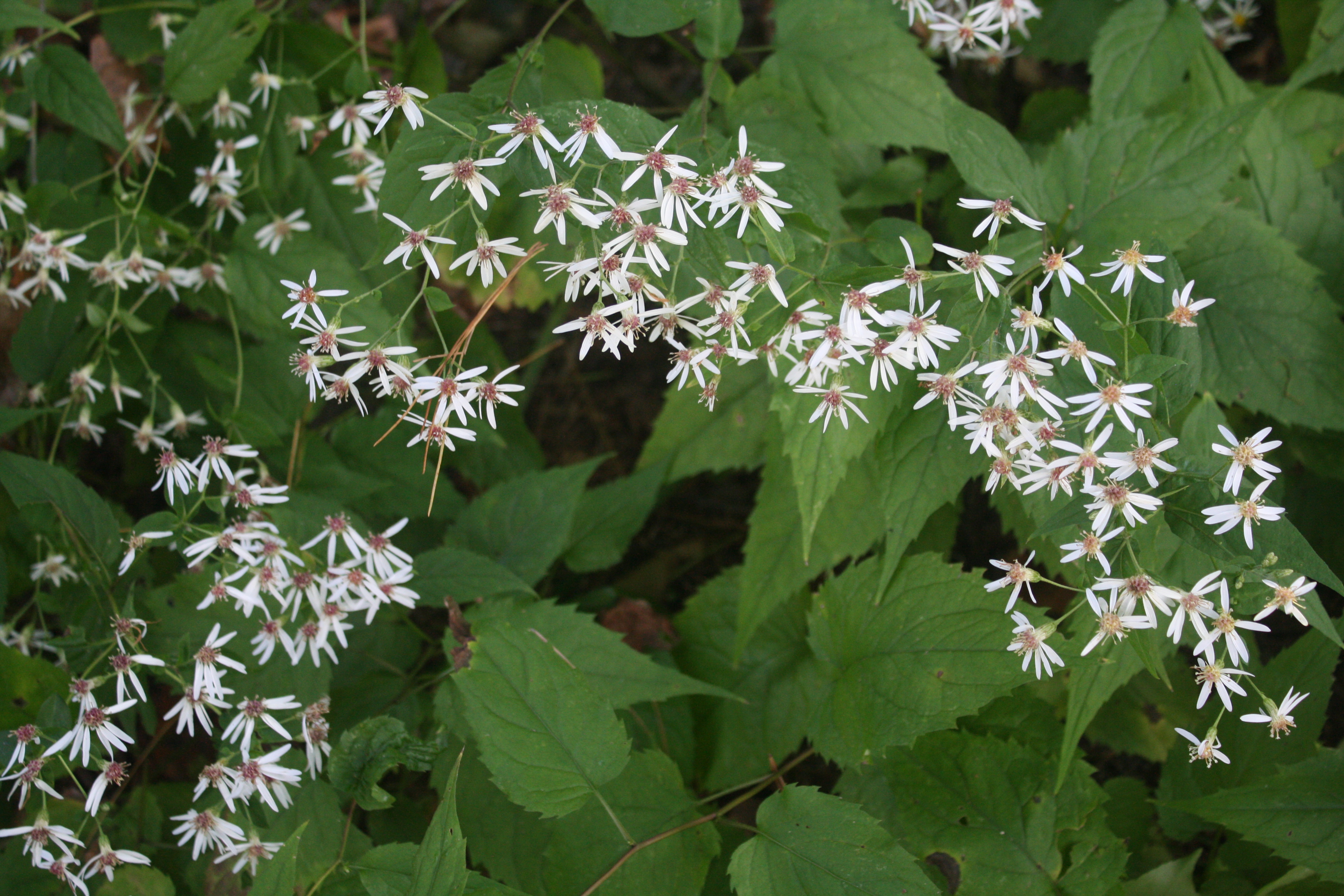
White Wood Aster

White Wood Aster

For partial shade, White Wood Aster (S. divaricatus) and Large-leaved Wood Aster (Eurybia macrophylla) offer clusters of ½-1” white flowers in late summer over heart-shaped leaves. Both form a ground cover that even when not in bloom is charming.

Asters can be propagated by division, root and stem cuttings or by seed. Native plant nurseries offer species other than the common New England and New York Aster varieties regularly available. Hardy and tough, native asters are a great choice for your autumn garden.
Posted in Country Gardening, My Photos | Tagged , , , , , , , , , , , , | 7 Comments

The way of the miracle-worker is…

beautiful and so true…

redheadweaver's avatarlife love happiness

534312_742640392418951_104954035_n

View original post

Posted in Inspirational Quotes | Tagged , , | 1 Comment

GARDENER’S CORNER

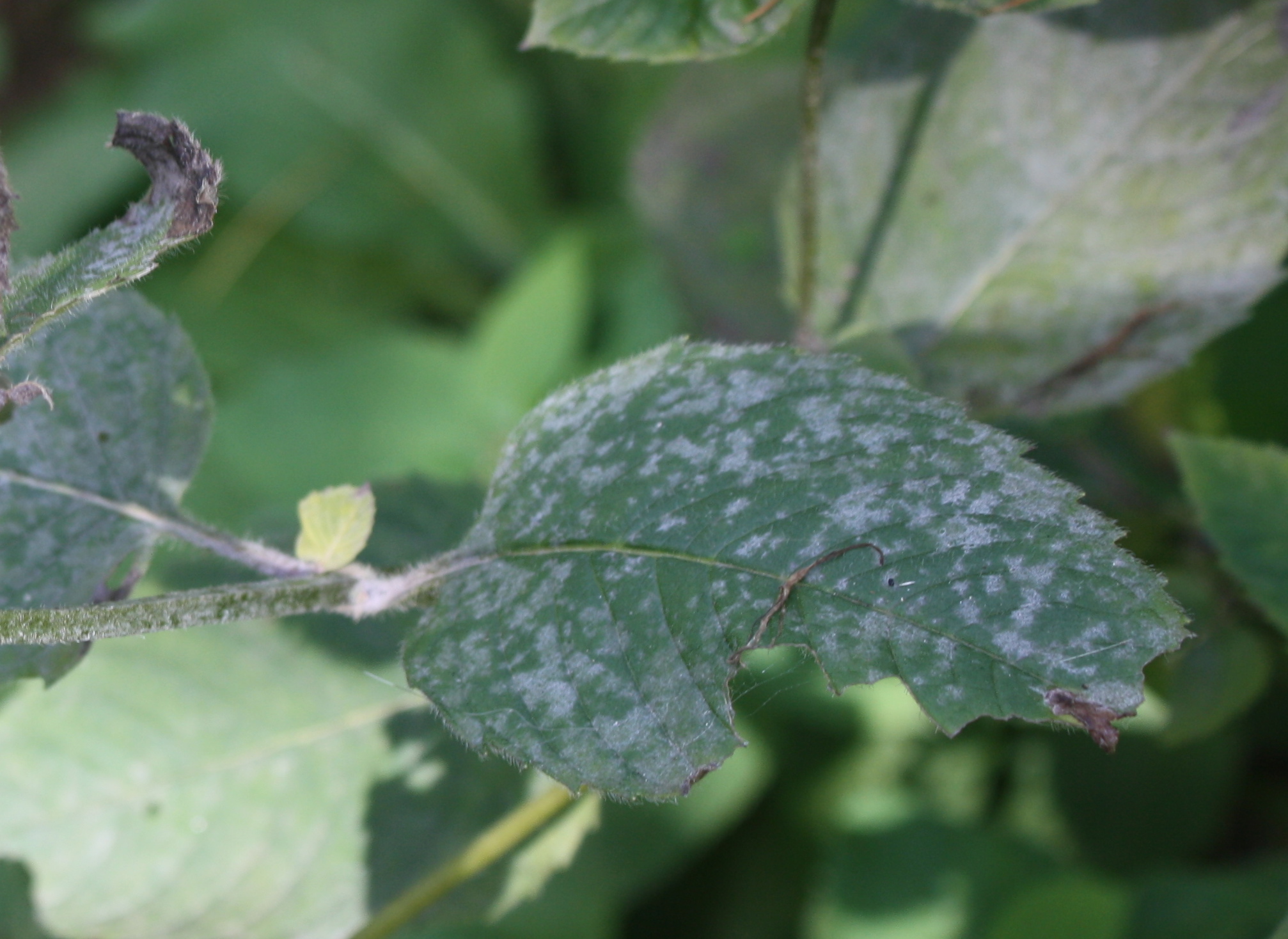
powdery mildew

powdery mildew

When rain is abundant in spring, just about every garden consequently suffers from some sort of mold, mildew or fungus problem come late summer. Unfortunately, once it becomes apparent that you have a problem, it’s generally too late to do much about it at this stage, but you can act to prevent future damage. What you are seeing are the fruiting bodies (spores) of the fungus that has been growing inside your plant since spring when spores were released by splashing rain or the wind.

rust

rust

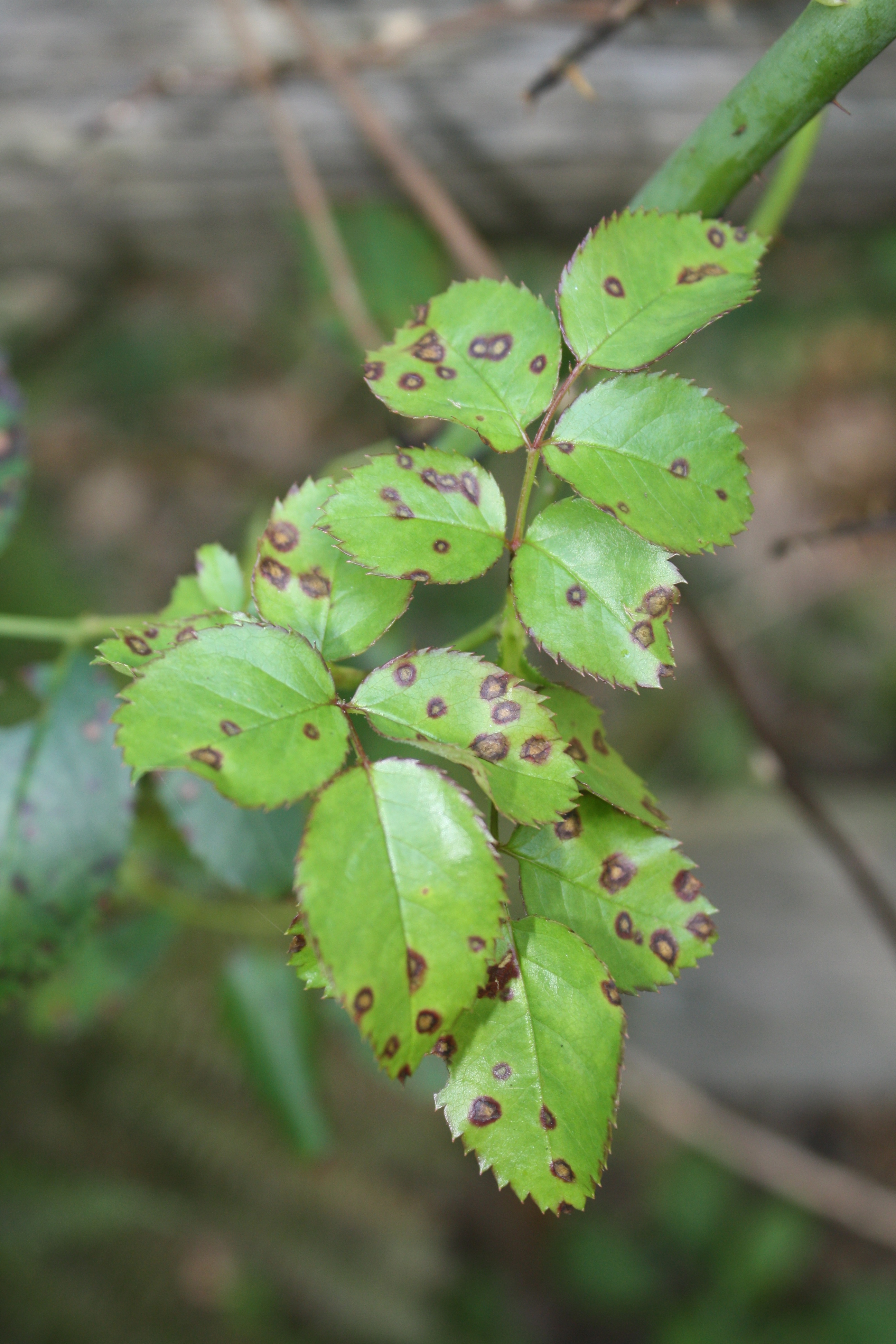
Some plants are more susceptible to disease than others. Bee-balm, lilac and phlox attract powdery mildew. Hydrangea, aster and mallows are plagued by rust. Roses are magnets for leaf spot. There are many chemical cures on the market, but I try to limit myself here because the “side affects” are often worse than the disease. I don’t need a domino effect of environmental problems because I didn’t think something through. The best path for me is to follow as closely as I can methods employed by Nature to keep the balance. Sure, by the end of the summer my plants look a bit chewed up, but for the most part that’s what plants are – food. They can take some abuse; it’s when they are being wiped out that I have to step in.

brown spot

brown spot

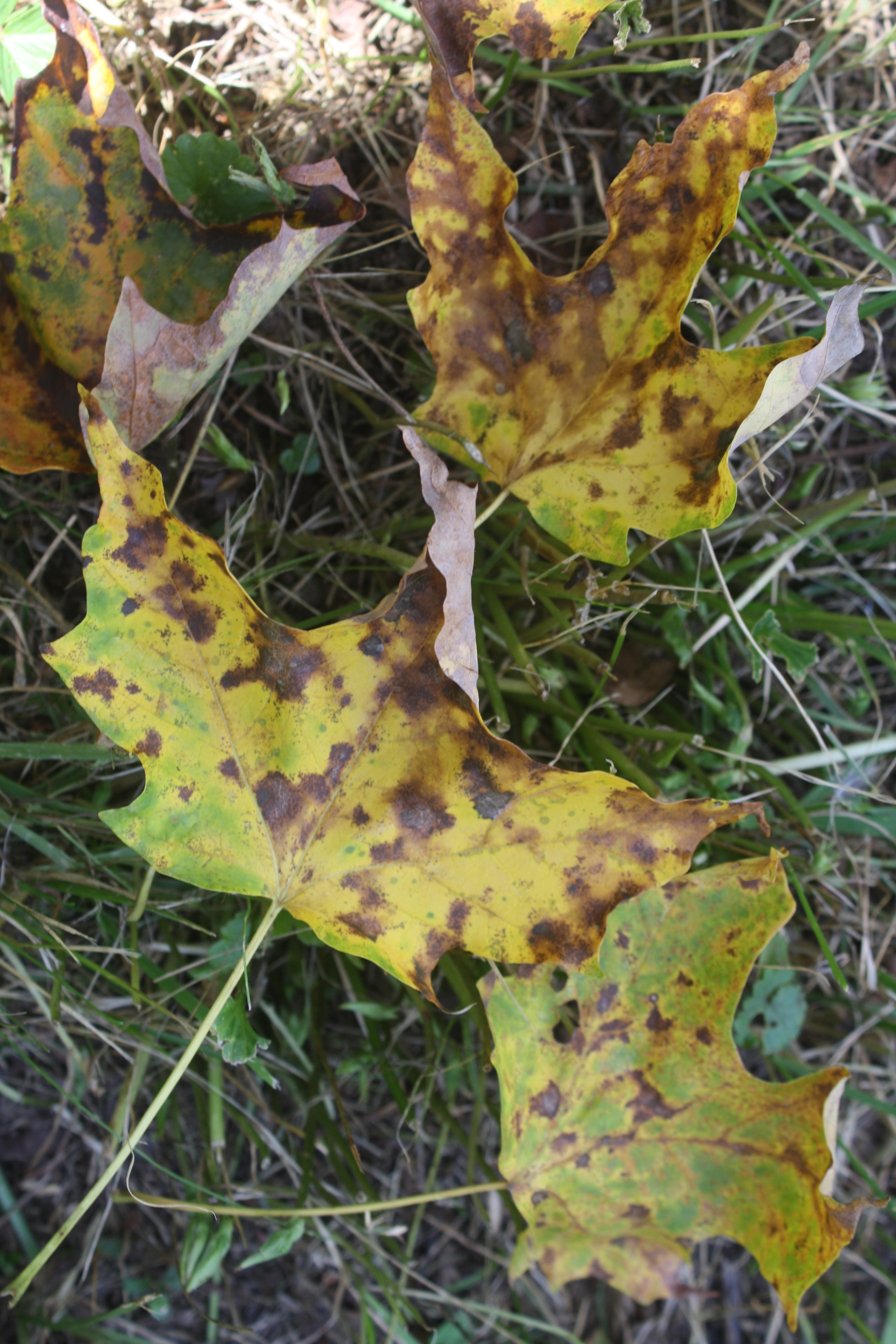
Common fungal, viral and bacterial culprits include brown spot, powdery mildew, rust and damping off. Bacteria and virus usually cause damage after being vectored by sucking insects that introduce the disease. These can be minimized by good husbandry. Healthy plants don’t attract as many bugs.

brown spot

brown spot

With molds and fungus, the key is prevention. Buy blight-resistant plants. If you have a serious infection, collect all affected leaves and stems and throw them in the trash or burn them. They contain spores for next year’s infestation (leaf litter is the perfect hiding spot, along with over-wintering insects). By taking precautions now, you will be starting off next spring on a good foot.

powdery mildew

powdery mildew

Next spring, when your mold-susceptible plants reach six inches, usually May in Zone 5-6, once a week and after every rain through early July, apply an organic copper-sulfur-based fungicide such as Bordeaux mix, or pre-mixed products like Safer fungicides. Doing so prevents the germination of spores that splash from the soil onto leaves when it rains.

Never water your plants at night. Moisture sitting on the leaves is prime environment for mold and fungal growth. Promote good air circulation by spacing plantings appropriately, leaving plenty of room for maturity and thinning heavy growth so moisture will evaporate quickly. Your due diligence will be rewarded next year by cleaner, healthier plants.

Posted on by Eliza Waters | 4 Comments

How others see you…

Posted in Inspirational Quotes, My Photos | Tagged , , | 2 Comments

L♡ve Inspiration Daily #57

Be!

Posted in Inspirational Quotes | Comments Off on L♡ve Inspiration Daily #57

September Flowers

Wildflowers in the Field

Wildflowers in the Field


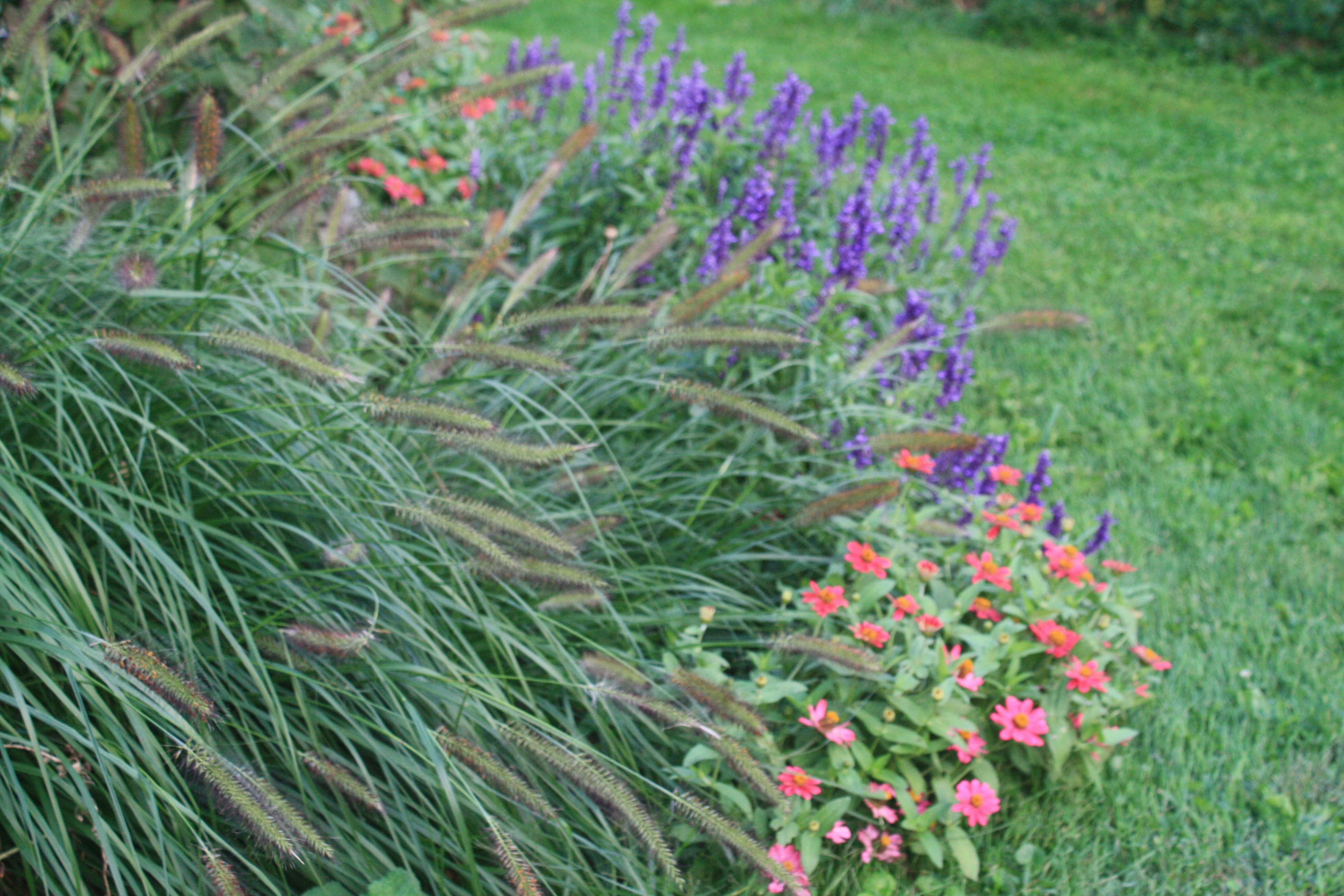
Fountain Grass, Zinnia & Salvia

Fountain Grass, Zinnia & Salvia

Suddenly, there is rich renewal of flowers after a few weeks lag following the phlox fading away. Now the fountain and miscanthus grass are stealing the scene along with the fantastic show of wild asters.

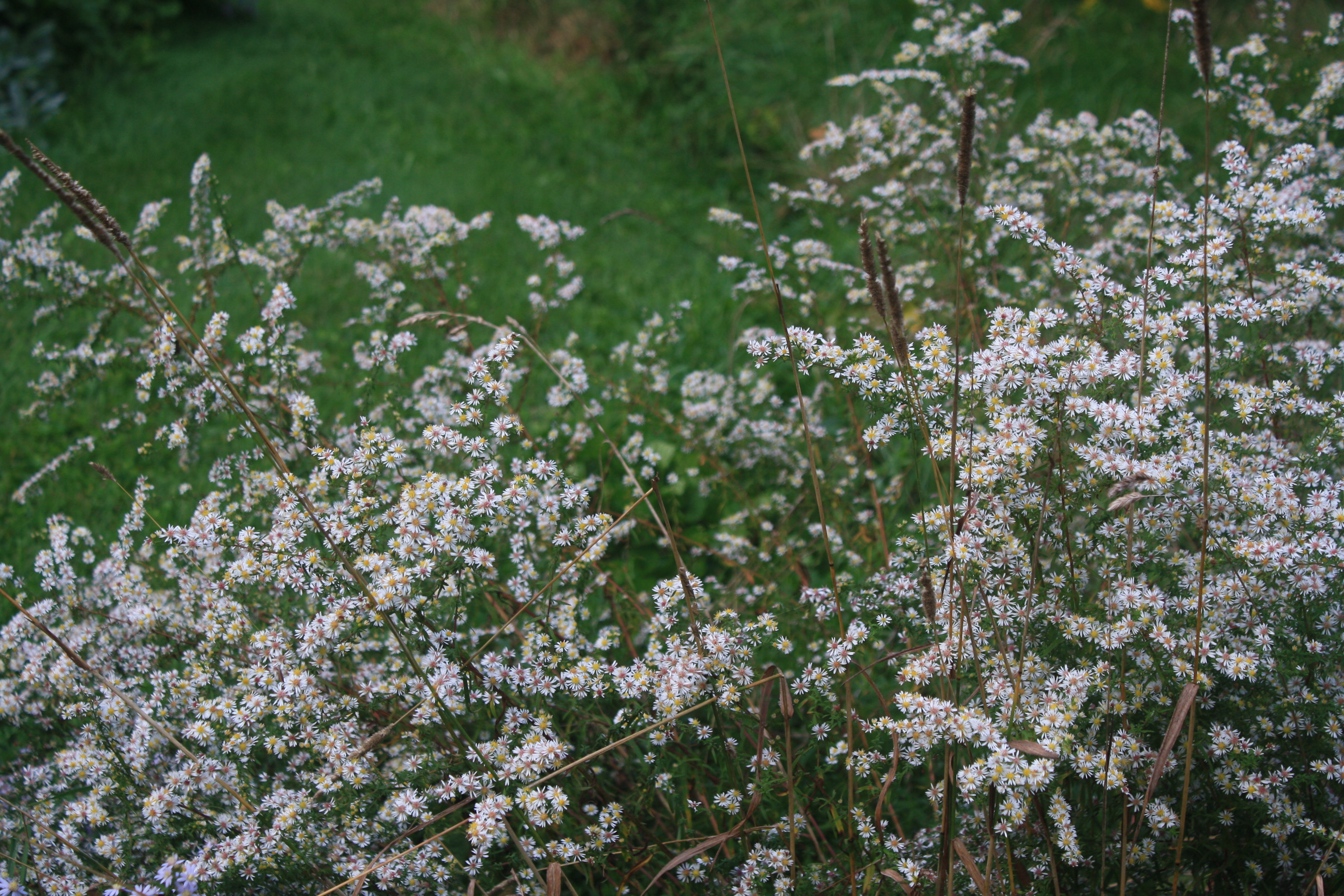
Wild Aster & Dried Grass

Wild Aster & Dried Grass

I must have at least half a dozen varieties and walking the paths around the meadows is such a joyful thing for me! The bees are loving it as well, I often stop to watch them working the flowers.

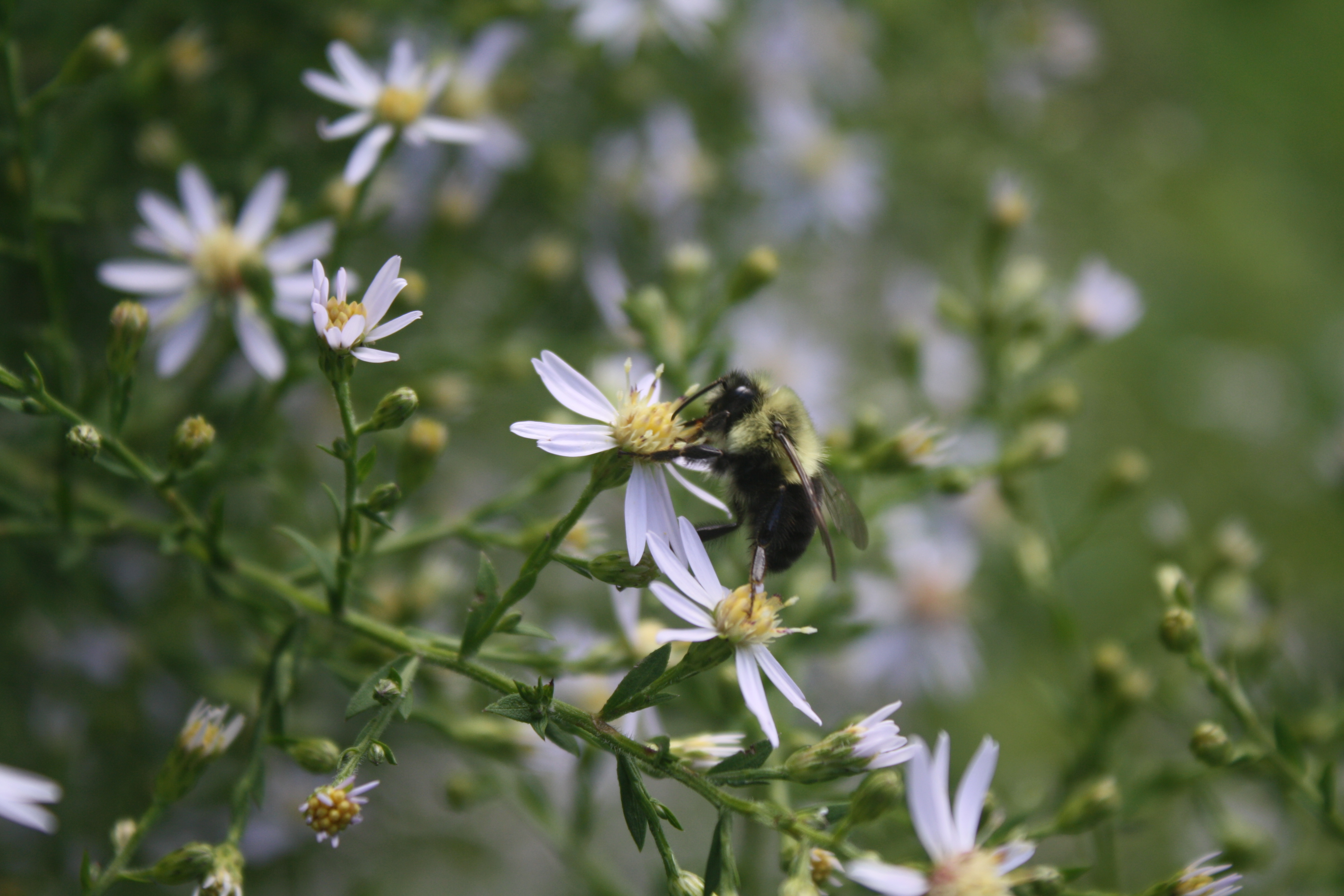
Bumblebee on Aster

Bumblebee on Aster

Did you know that in honeybee’s short life, she makes only a 1/12th teaspoon of honey? Every morning I put a teaspoon of honey in my tea and I thank the 12 hard-working darlings who made that sweetness possible. (Yes, I thank the beekeeper too, but let’s face it, without the bee a lot of us would be out of business.) There was an interesting article in Time (Aug. 19th issue) on the honeybee’s plight and scary a thought it is, to imagine our world without this trusted friend. I am happy to report that my land teems with pollinators, but most are bumblebees and the lesser wasps. Maybe 10% are honeybees. My neighbor up the road keeps bees, but black bears are such a problem here that most people give up after an attack. One person in the next town keeps bees on a shed roof! Otherwise, one needs a high voltage electric fence to protect the hives.

Many years ago I stopped mowing my nearly one acre of lawn and created meadows, with mown grass paths winding through them. (I kept the grass lawn in front and out back near the house as I like a soft place to lay and gaze at passing clouds!) I spend a third of the time mowing as I used to and the ecosystem has boomed. The entire food chain benefits, everyone wins. Insects, birds, small mammals and yes, even the bigger mammals like fox, coyote and deer. So far, everything is in check and I haven’t had the problems that some have experienced. There is plenty for everyone to eat out there!

Double Zinnia

Double Zinnia

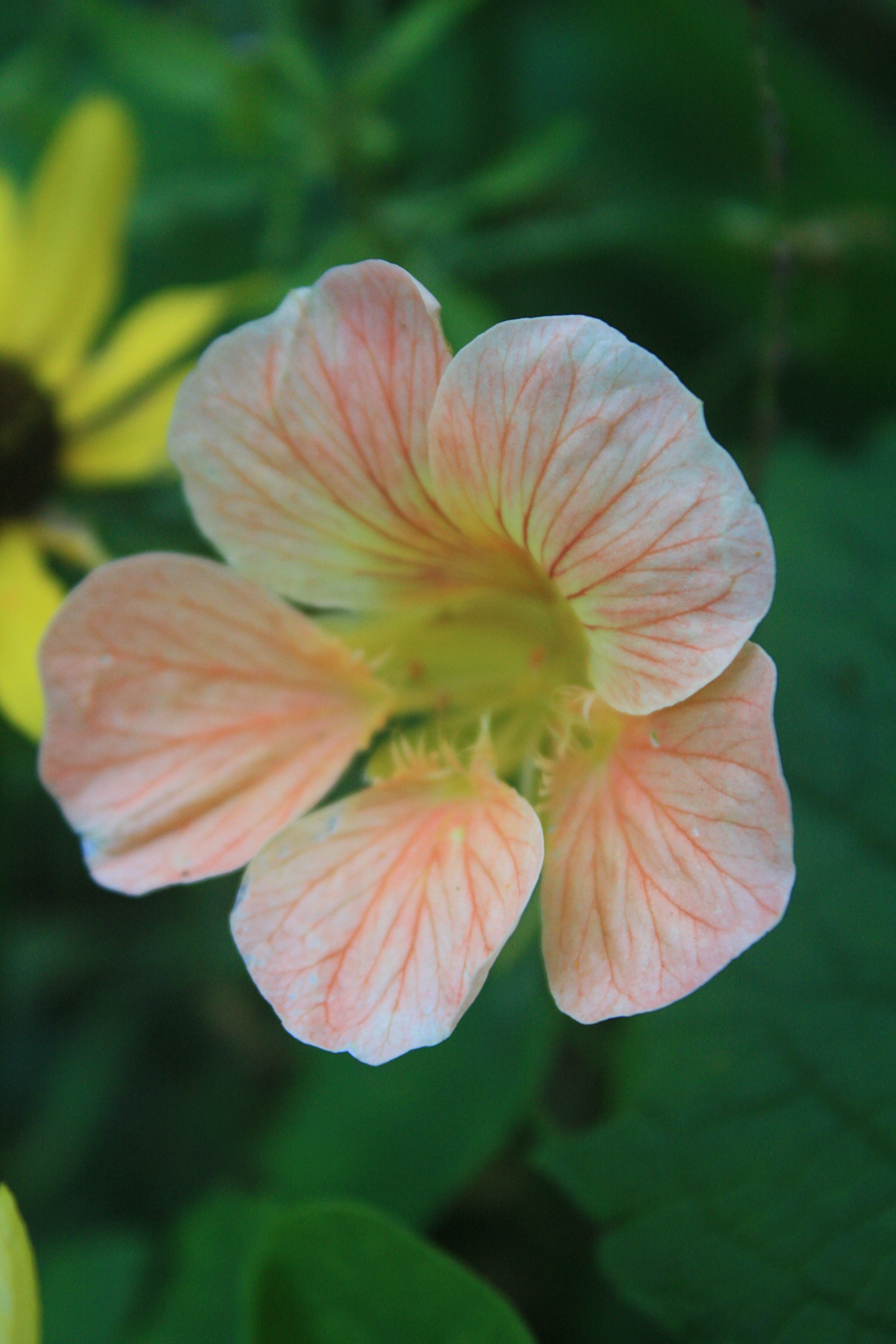
I’m enjoying the last of the annuals while I can as frost can come any day now. Sometimes I cover a coveted few fantastic bloomers, like the Cherry Profusion Zinnia above, but eventually I must yield and concede my garden to the forces of nature. My Peach Nasturtiums are lovely after a slow start. I collect seeds from the best of the bunch at the end of summer, so the exact lineage is unknown, Peach Melba originally with variegated varieties thrown in. So at least for now, the weather is perfect for enjoying the abundance of the last of summer’s flowers here in my own little piece of paradise!

Peach Nasturtium

Posted in Country Gardening, My Photos | Tagged , , , , , , , , , , , , , , , | 4 Comments