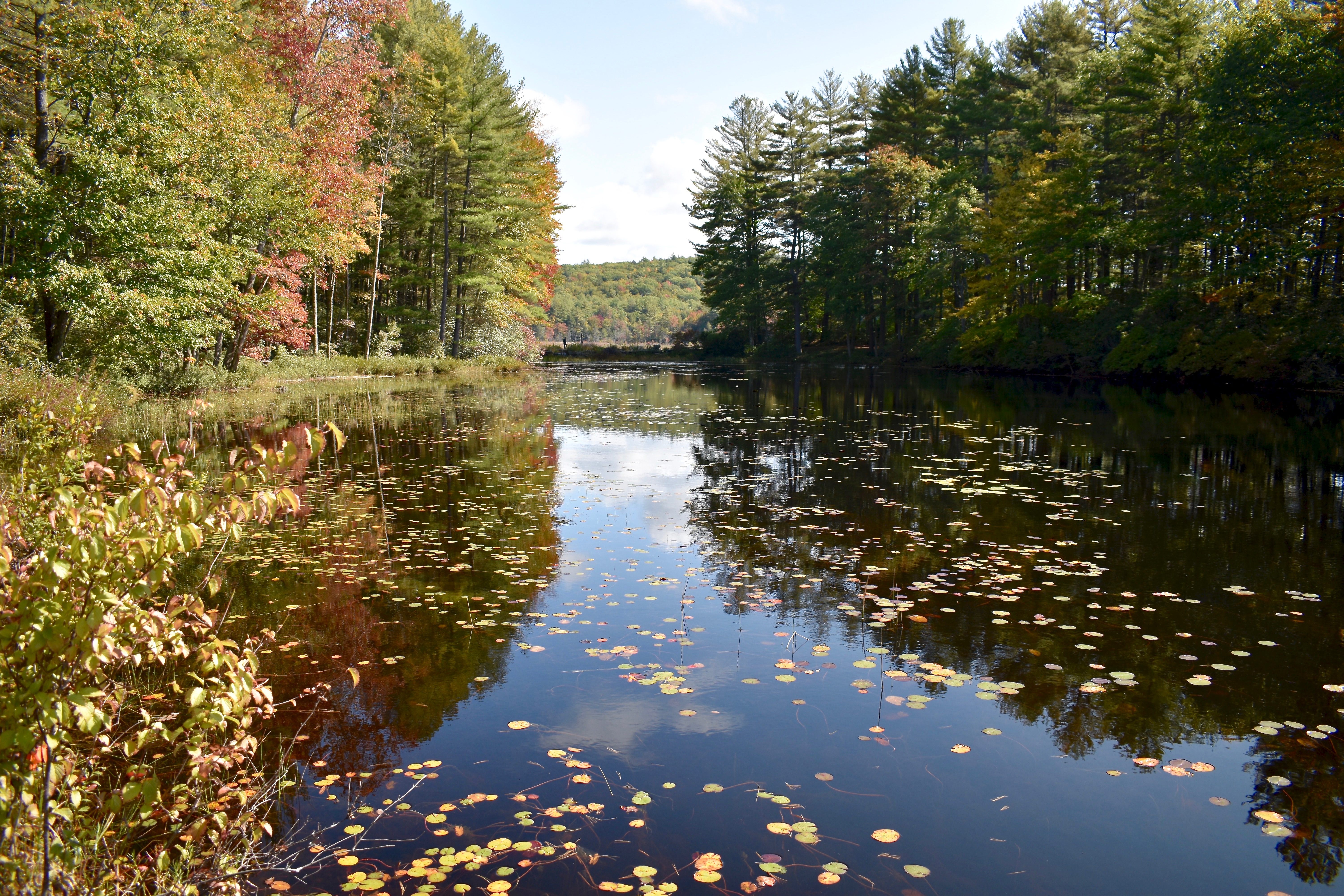
 I’m joining Robin at Breezes at Dawn for her annual Walktober post. I was surprised to note this is my 8th Walktober! Wow, time flies!
Anyone is welcome to join in, just write your post and leave a comment or pingback to the above link. From her site, she writes, “…you do not have to walk. Most of us do, but there might be some reason you are unable to walk. Or you might prefer a drive or a bicycle ride. Maybe you want to cruise along on your longboard or paddle out on a kayak. Whatever your means of locomotion and/or transportation, you are welcome to join in. The dates for participation are October 3-18th. If you need more time, let me know.”
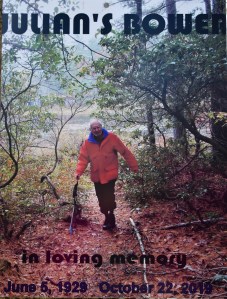 This year, I chose to visit Julian’s Bower in Shutesbury, MA. Julian Janowitz, who died just a year ago (June 5, 1929 – Oct, 22, 2019), bought the property in 1976, built a Japanese-influenced house next to the pond, and over the next 40 years created trails, boardwalks and numerous indoor and outdoor sculptures that grace the landscape. In addition to the link above, here is another newspaper article, both were written when he was still alive and had recently designated the property to be preserved through Kestral Land Trust.
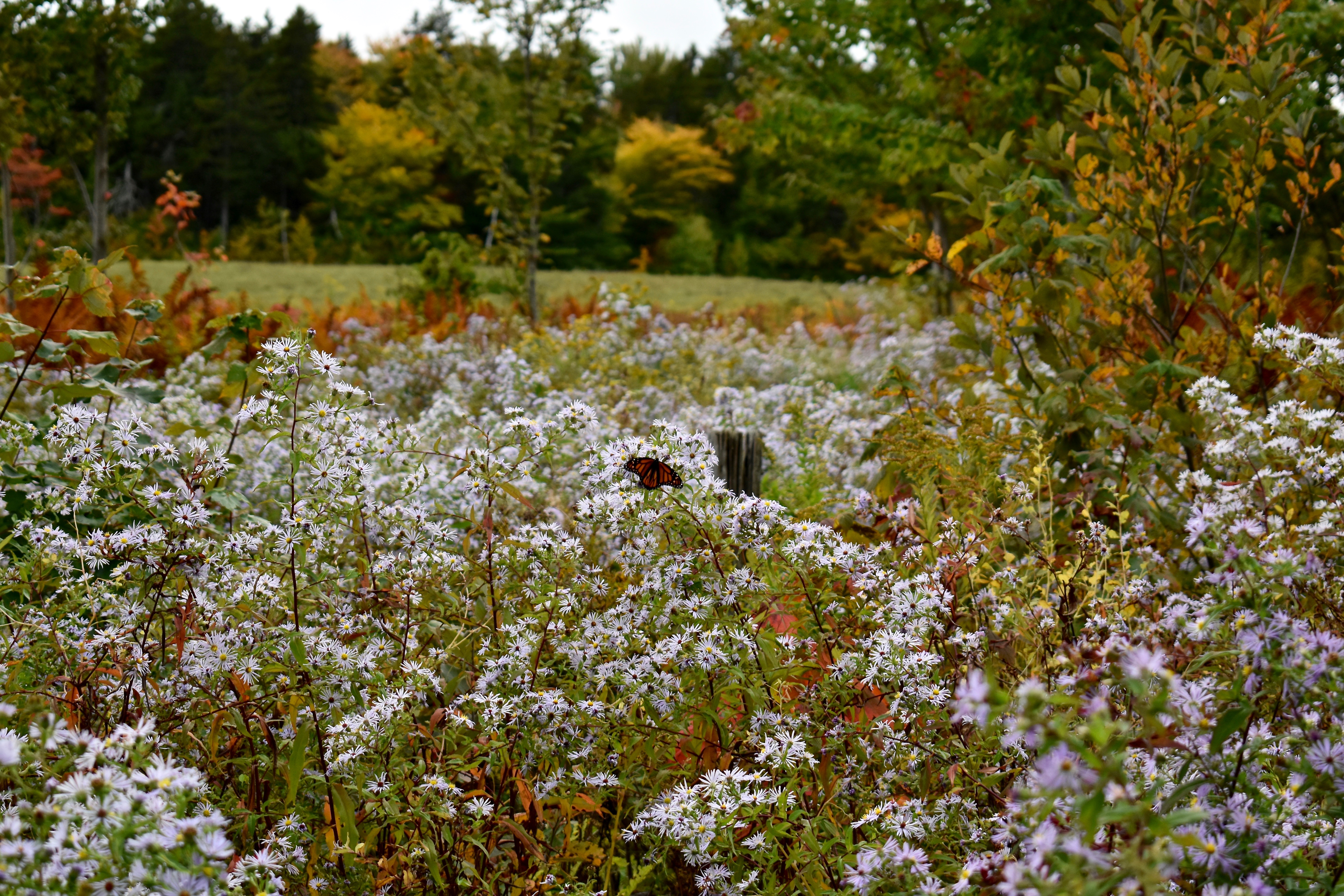
It was a beautiful autumn day in the 60s(F) (18C), with a few puffy clouds drifting overhead. If I’d not been shown where this gem was by my son and his partner, I’d probably have not found it. What a hidden delight it turned out to be. Over a hundred acres of pond, bog, woods and nature trails which culminate at the top of a boulder strewn, forested hillside with a view extending 65 miles west to the Berkshire Mountains.
This slideshow requires JavaScript.
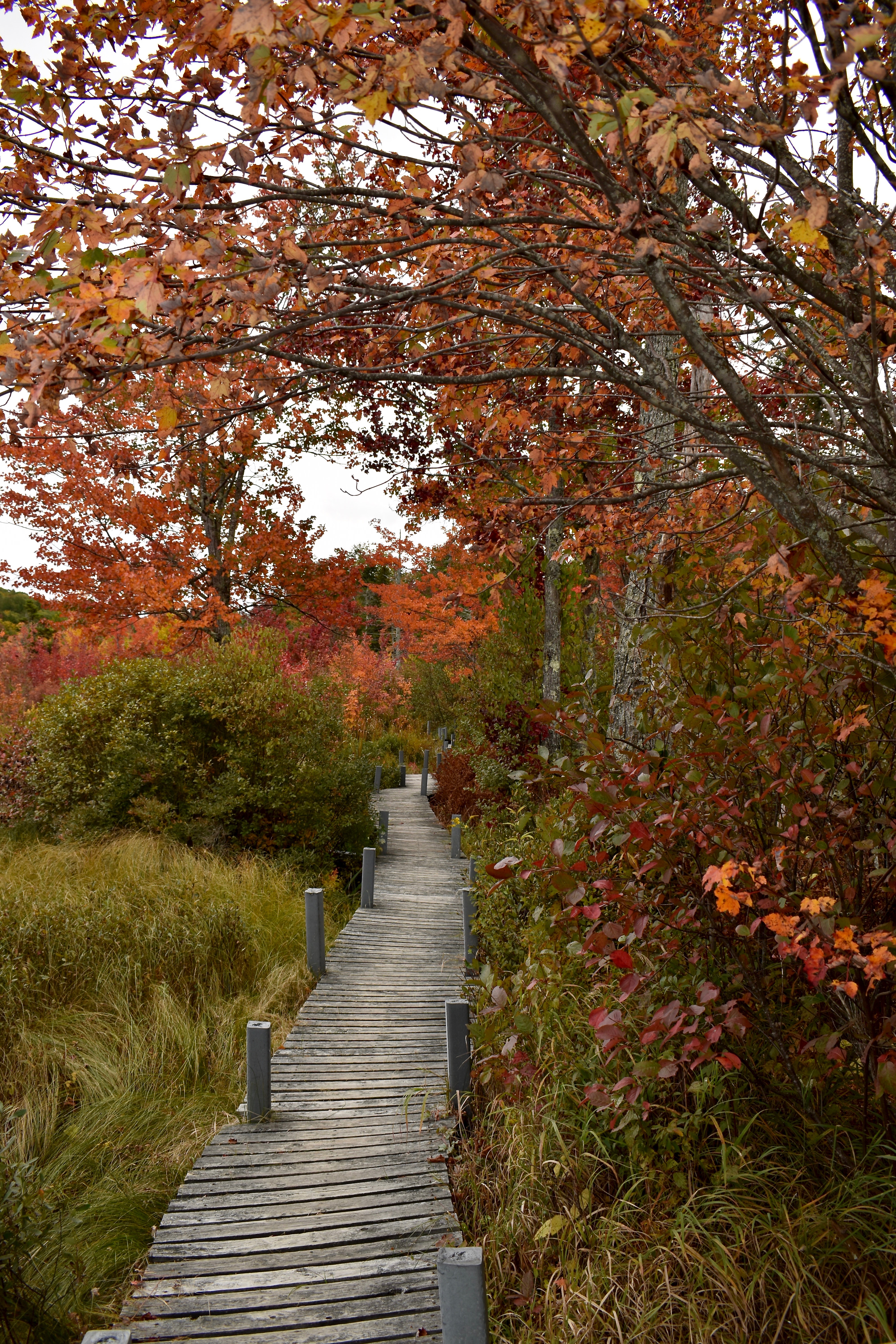
As the trail winds through the woods at the edge of the pond and bog, occasionally you come upon a laminated poem written by Julian, attached to a tree or stake. Here are a few:
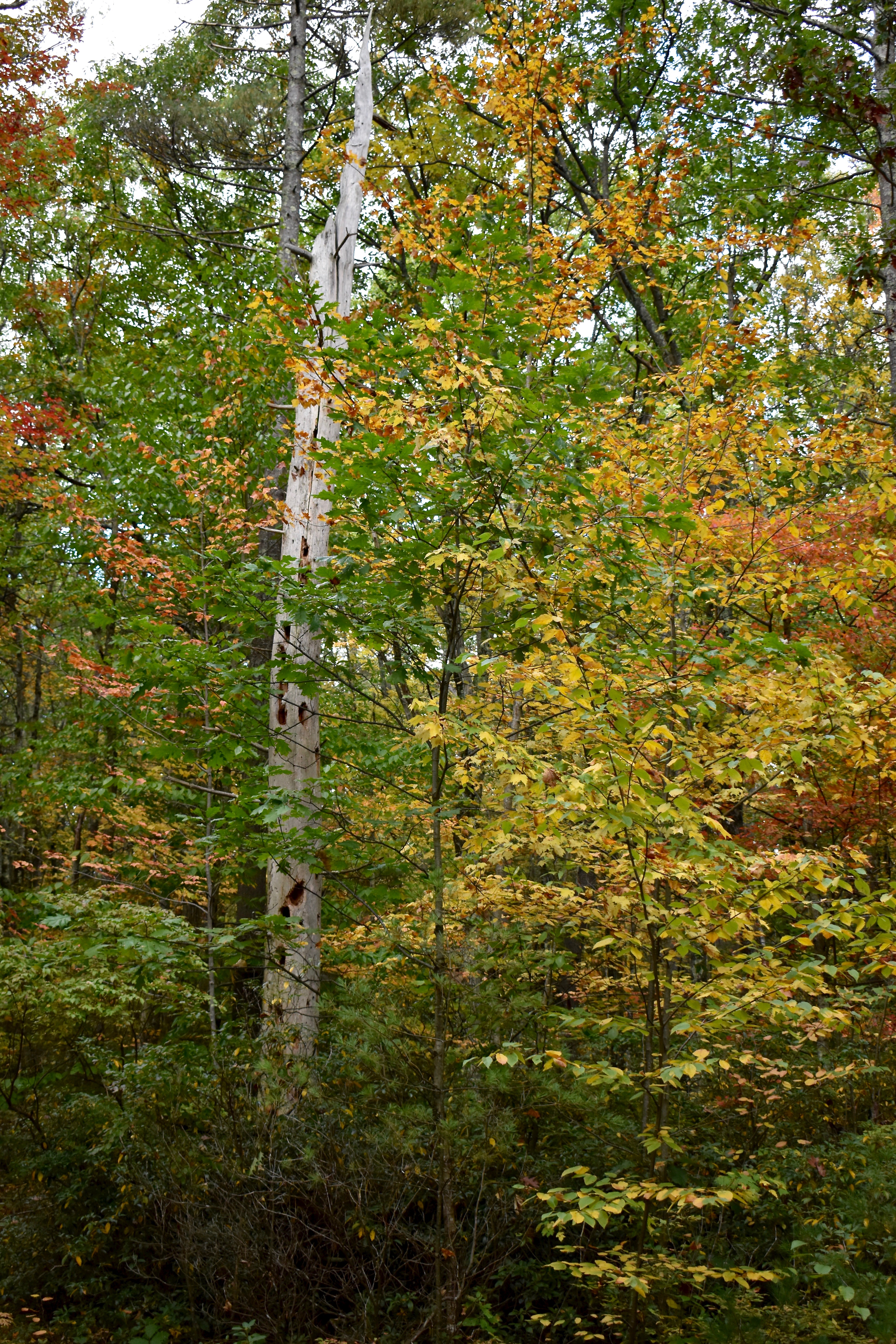
“These twenty-five years Strolling past this dwindling trunk, I, too, wear away. My bark, too, Wrinkles and sheds. Liver spots Spread on my branches. Moss and shelf fungus Overhang my ears. Large holes appear year by year (who knows what lives in my crevices). We go, tree and I, Aware and feeling loss. Does it make a difference Who goes first?”
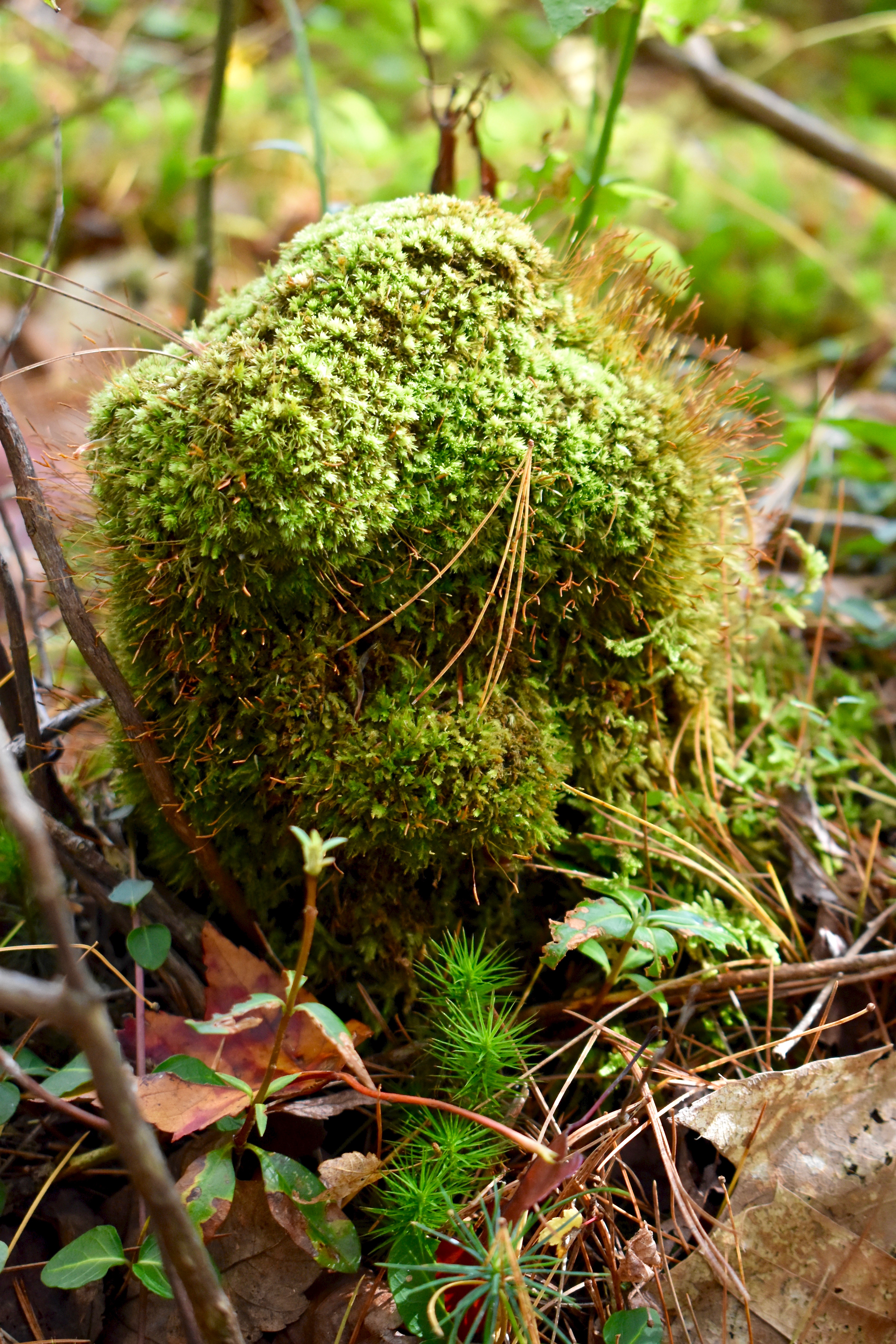
“A squirrel has been here, out of the skitter, sitting on so buxom a green pillow, melted enticingly out of the snow crusts. A place to unfocus the eyes lean back against the leaves nosh a plump acorn.”
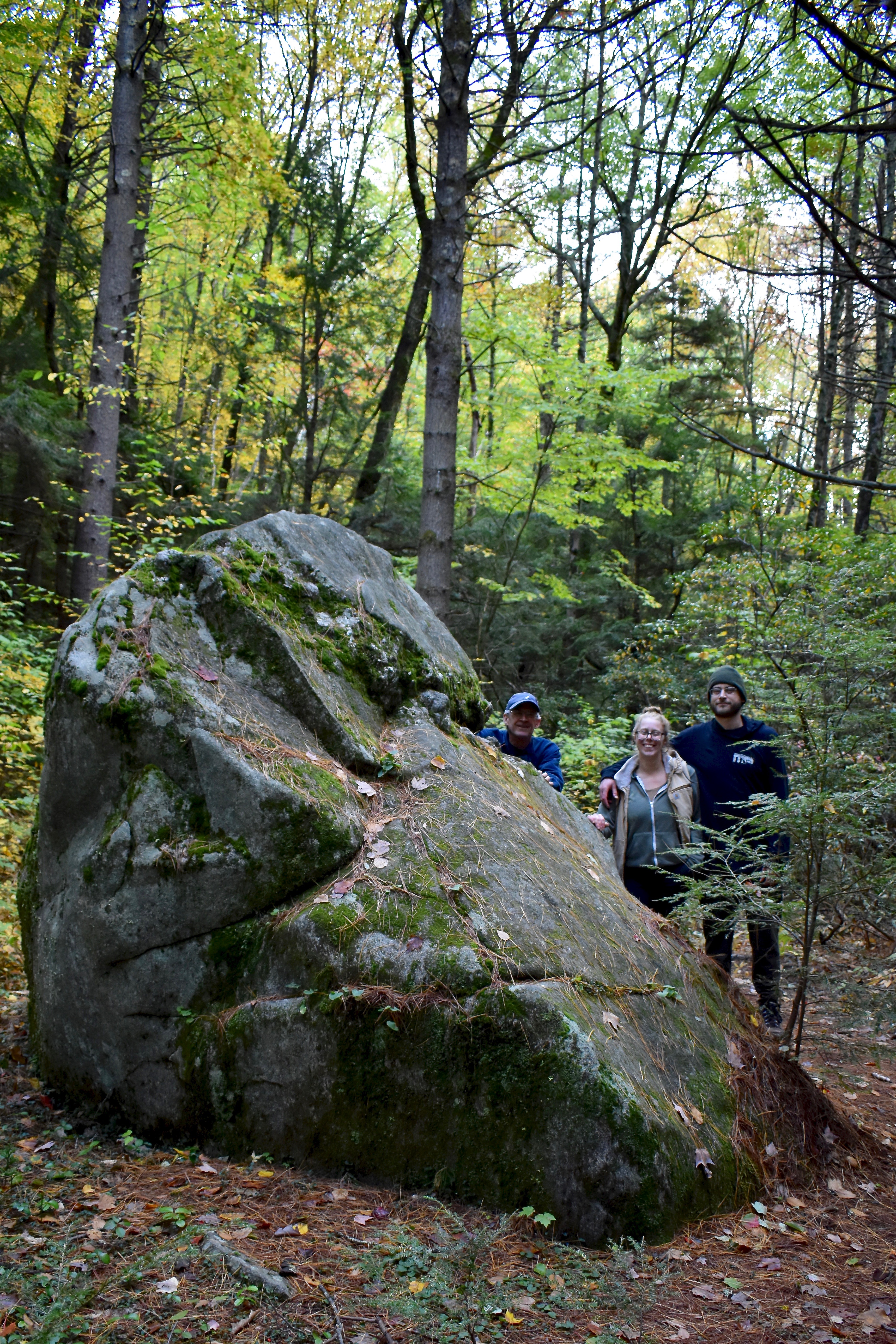
“Twenty-five years now Sharing this time and place With this rock. We see the seasons through together (if rocks could see) My mind sees all that the rock has ever seen (if rocks could see) A tumble down the mountain To its position of repose In a bed of scree and sand. The patient wait now for the next glacier (a long wait for me)”
The trail comes to a glacial cobble just beyond this boulder, where remarkably, Julian created steps out of massive stones to ascend the hillside where a sweeping view of the pond and out to the foothills awaits the climber. If you look closely, you can see the circular, white glass sculpture at the far edge of the pond.
This slideshow requires JavaScript.
Below are some of the illuminated glass sculptures, which surround the house (now privately owned, separate from the trust land). Visitors are asked to be respectful when viewing the artworks. It must be wonderful to see them at night all lit up.
This slideshow requires JavaScript.
A wide diversity of plants and animals make their home here. I saw frogs, salamanders, ravens, hawks, geese and a beaver dam. Moose are frequently seen here as well. Remarkably, I noted few invasive plant species, which plague so much of the land around us these days.
Thanks for joining me for this year’s Walktober. I encourage you to click Robin’s link above to see other bloggers’ Walktober posts and add your own if you are so inclined.



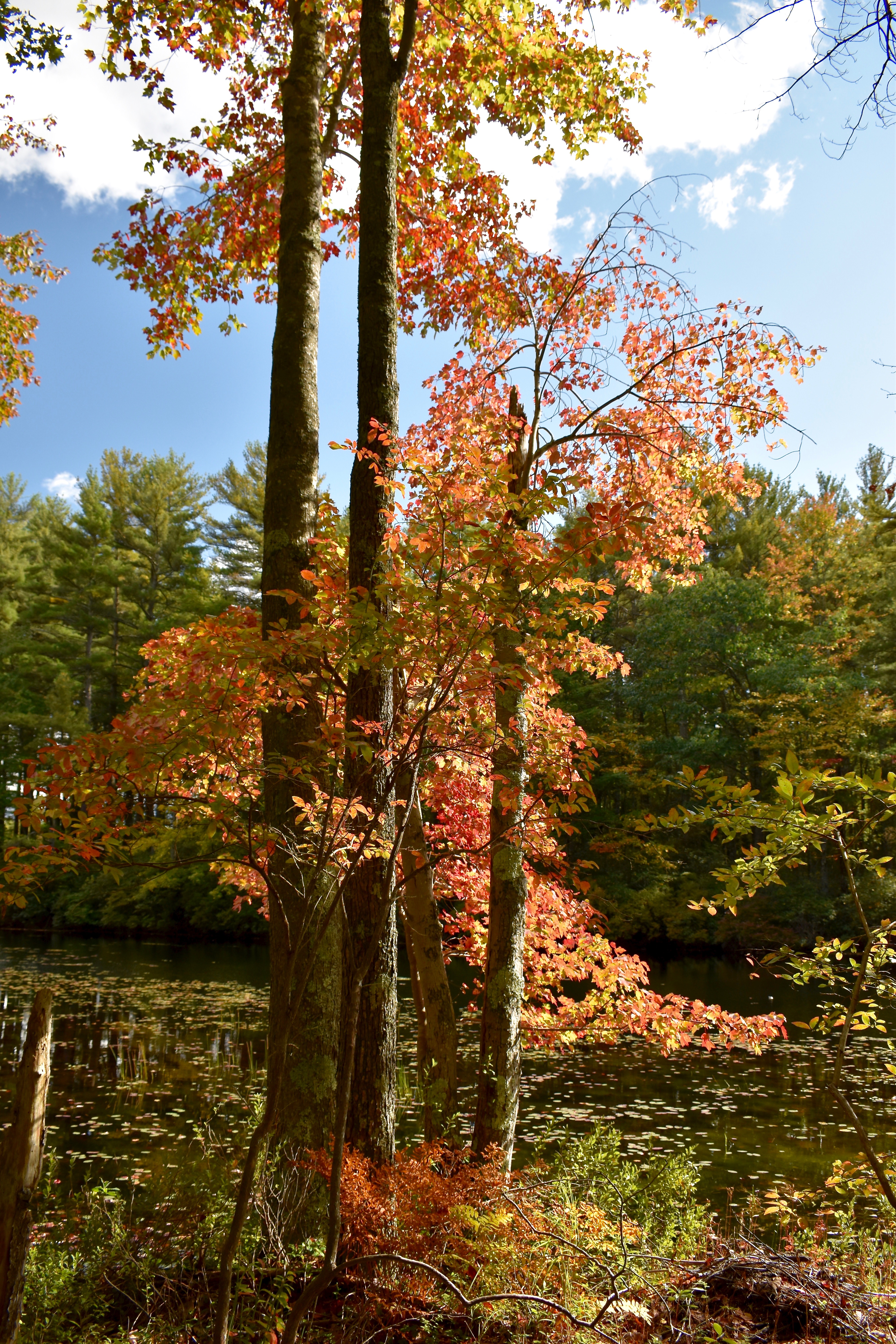
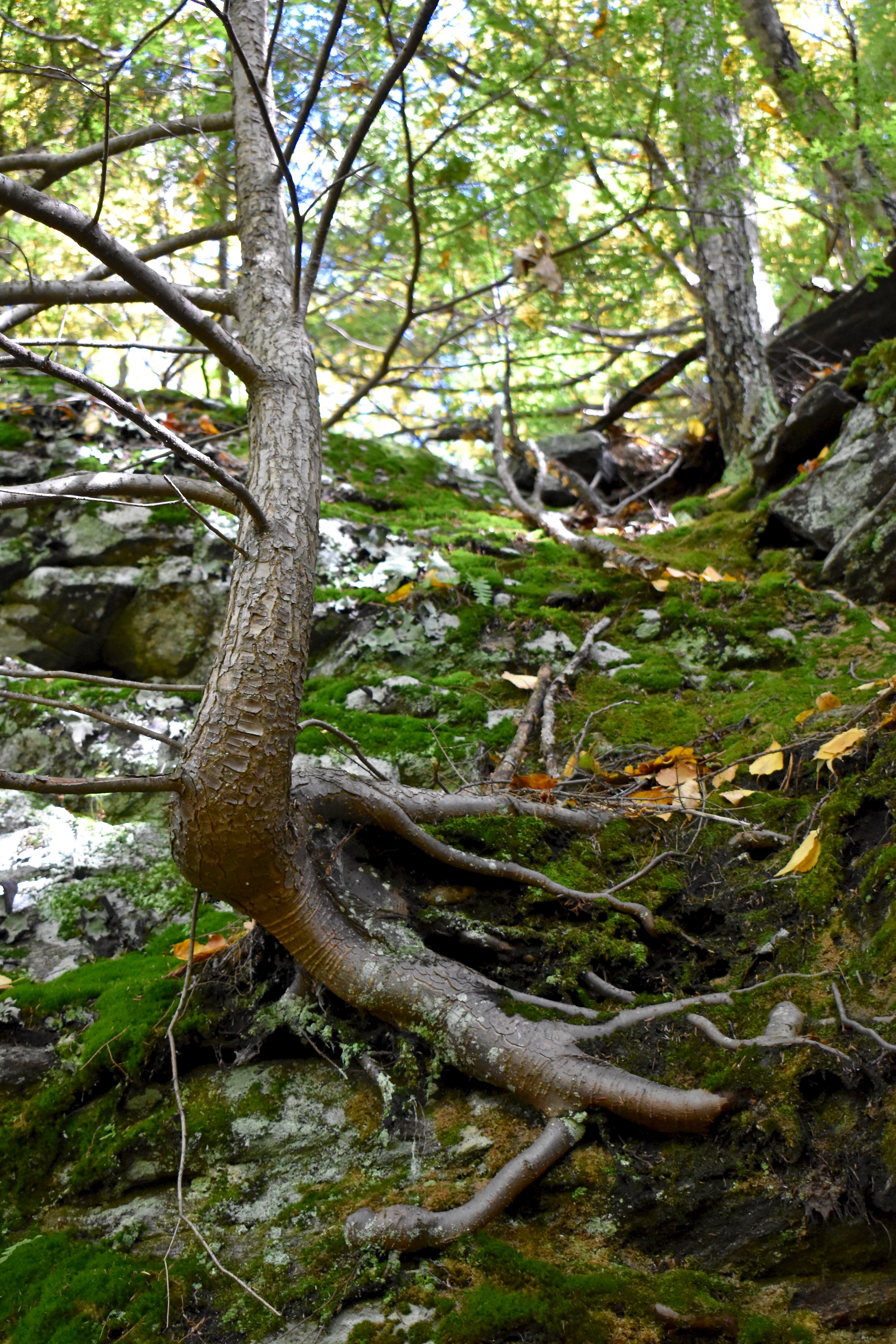 Like this tree, we’re all just hanging on. Keep your chin up, folks!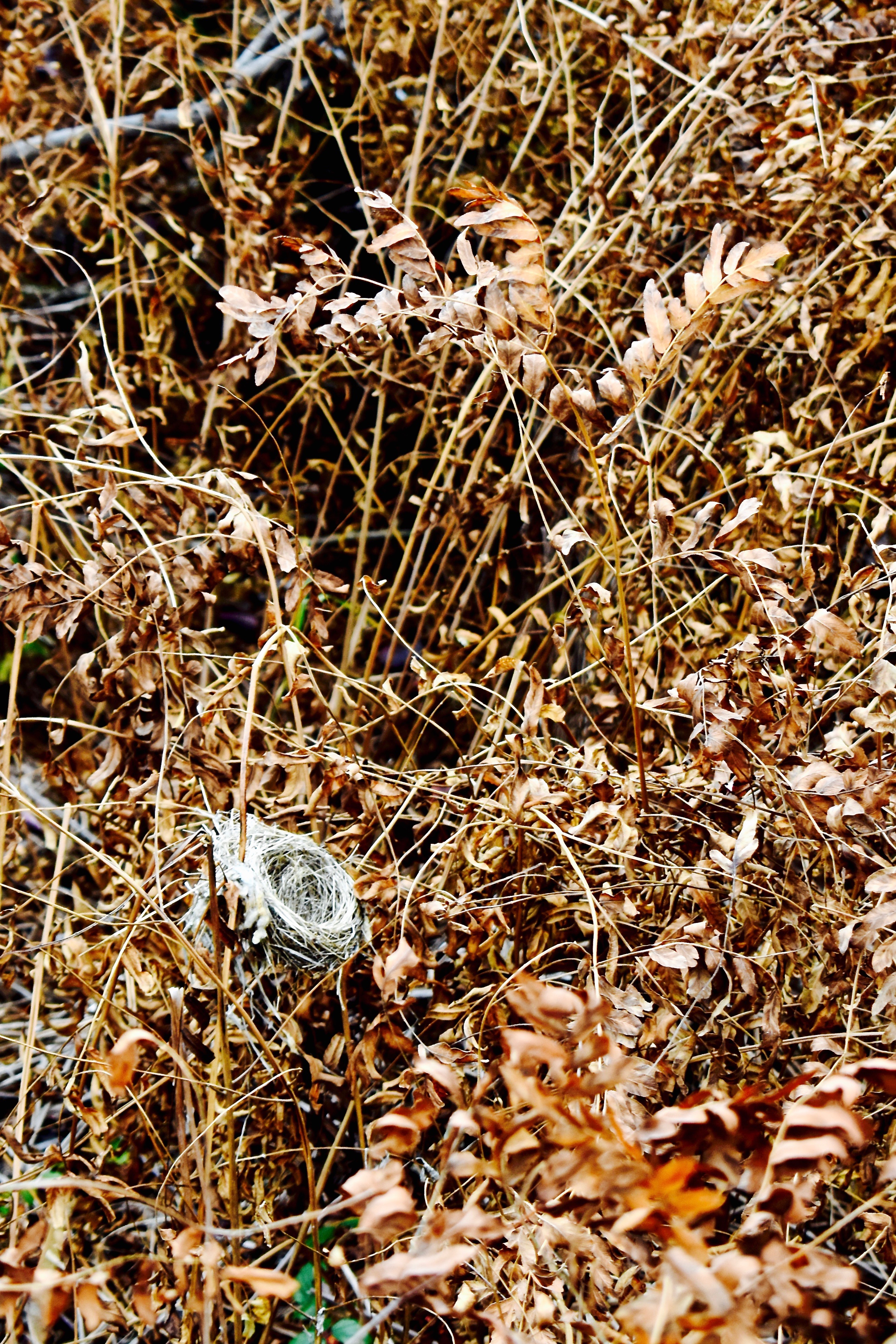
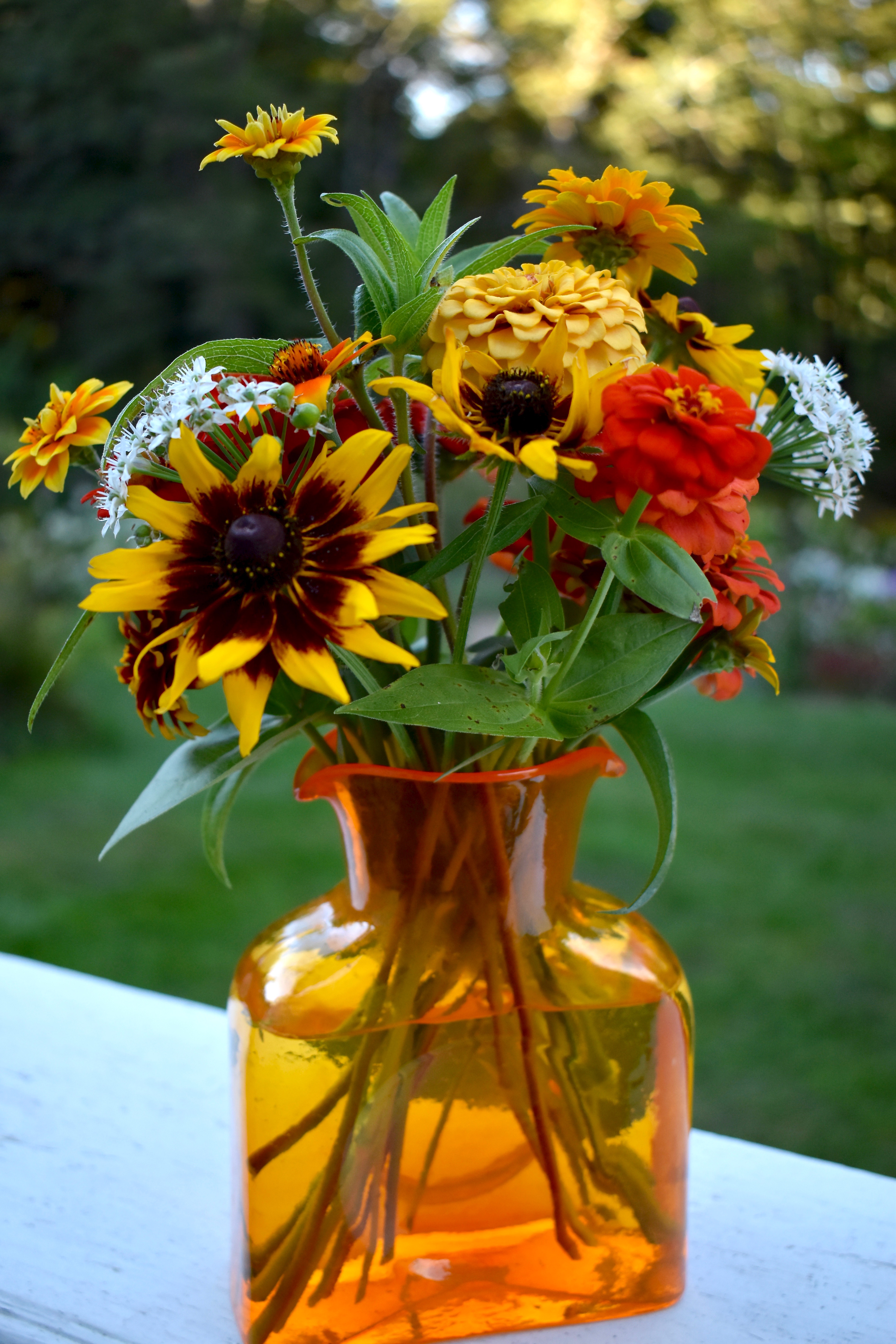
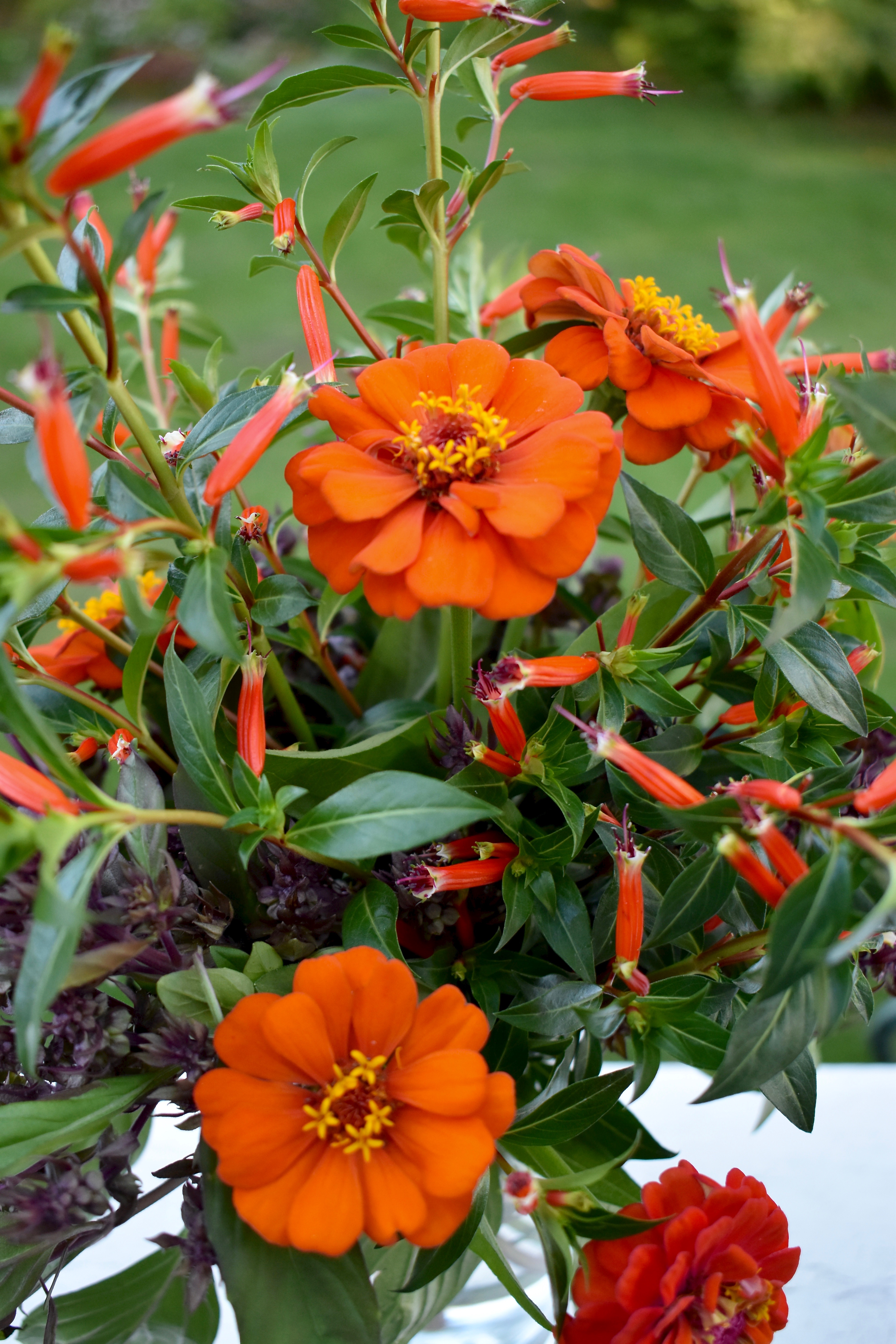
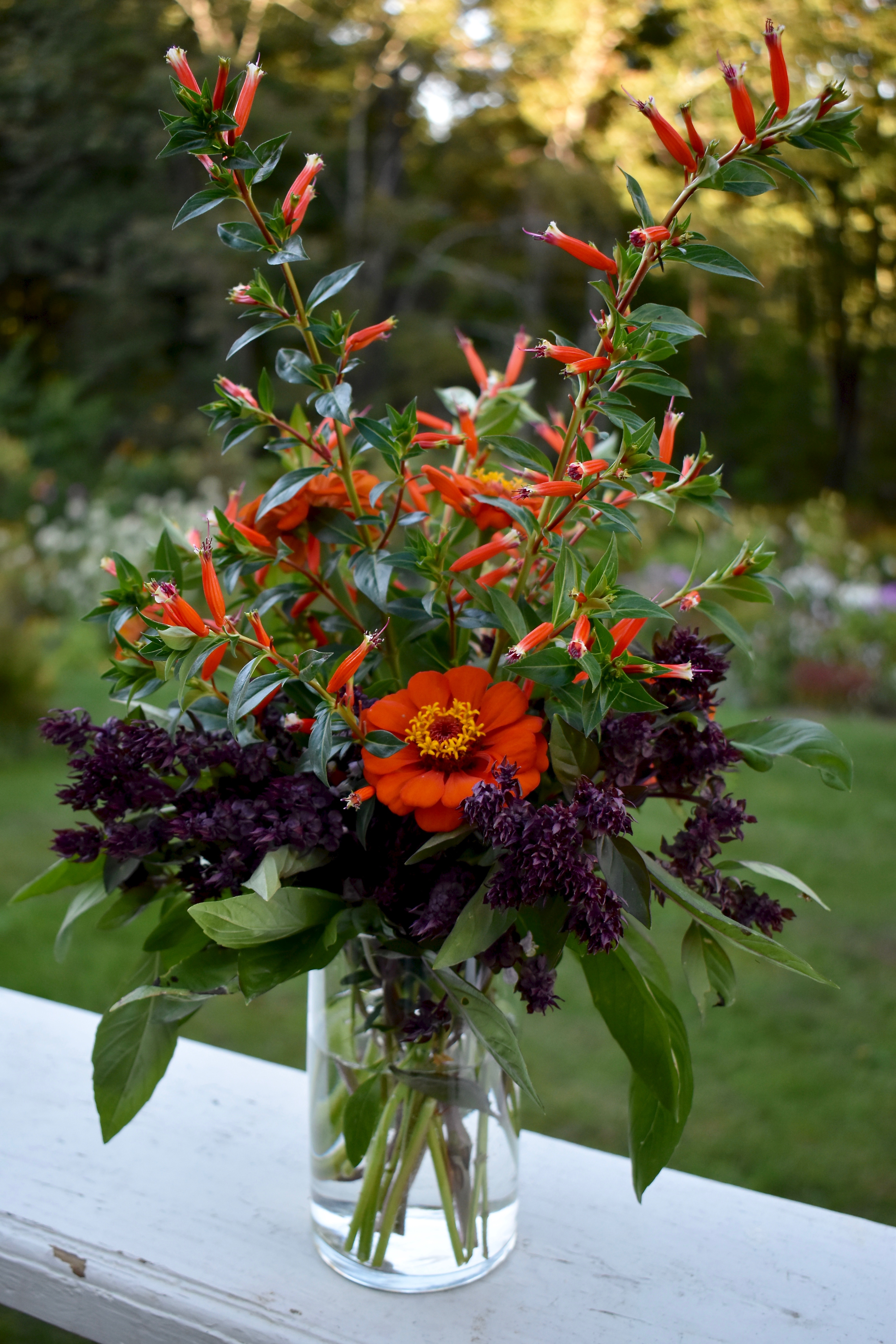 This week, I continue sharing the arrangements I made from flowers salvaged before our first frost. This one is my favorite of the bunch, a nice autumnal orange to welcome the first week of October.

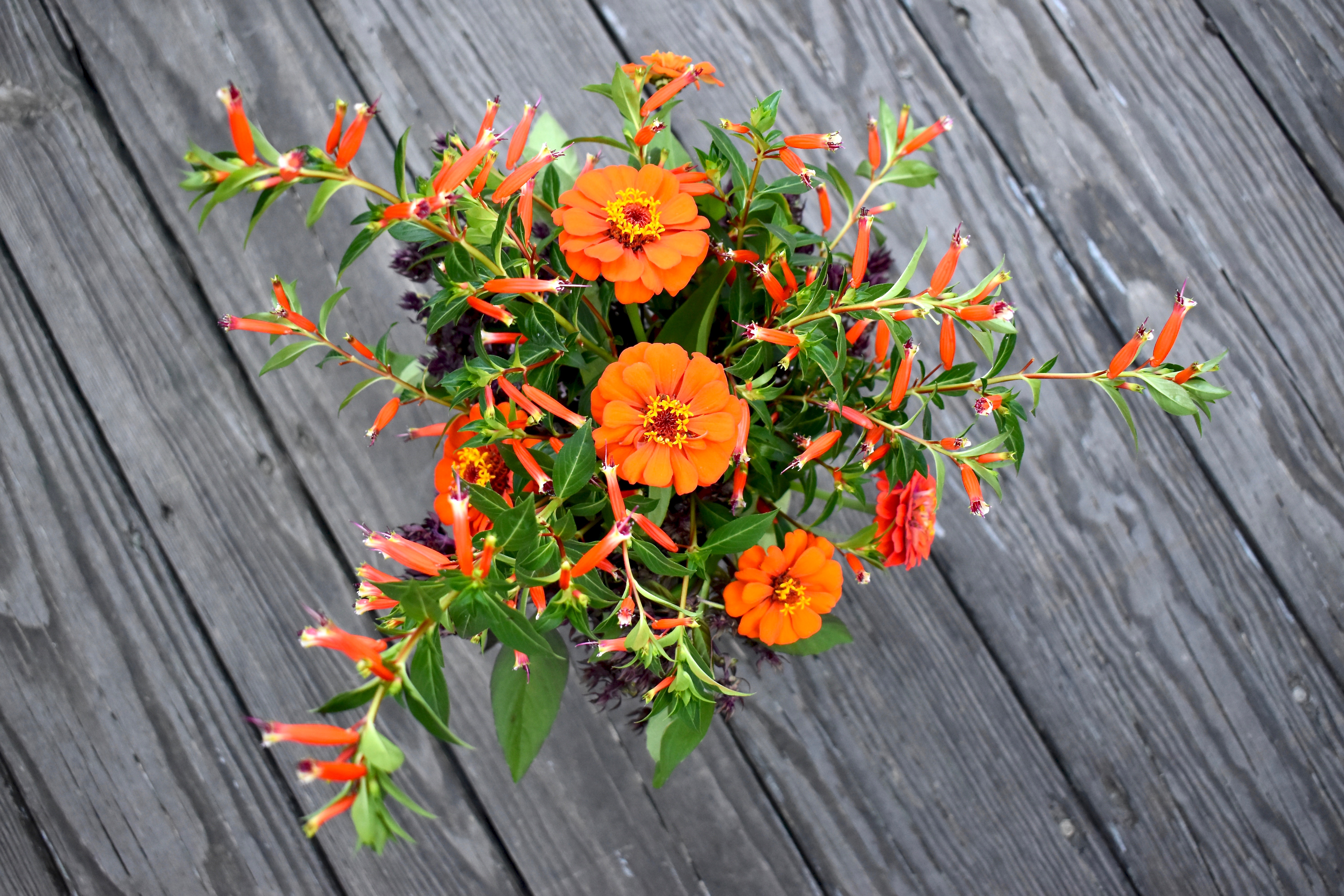
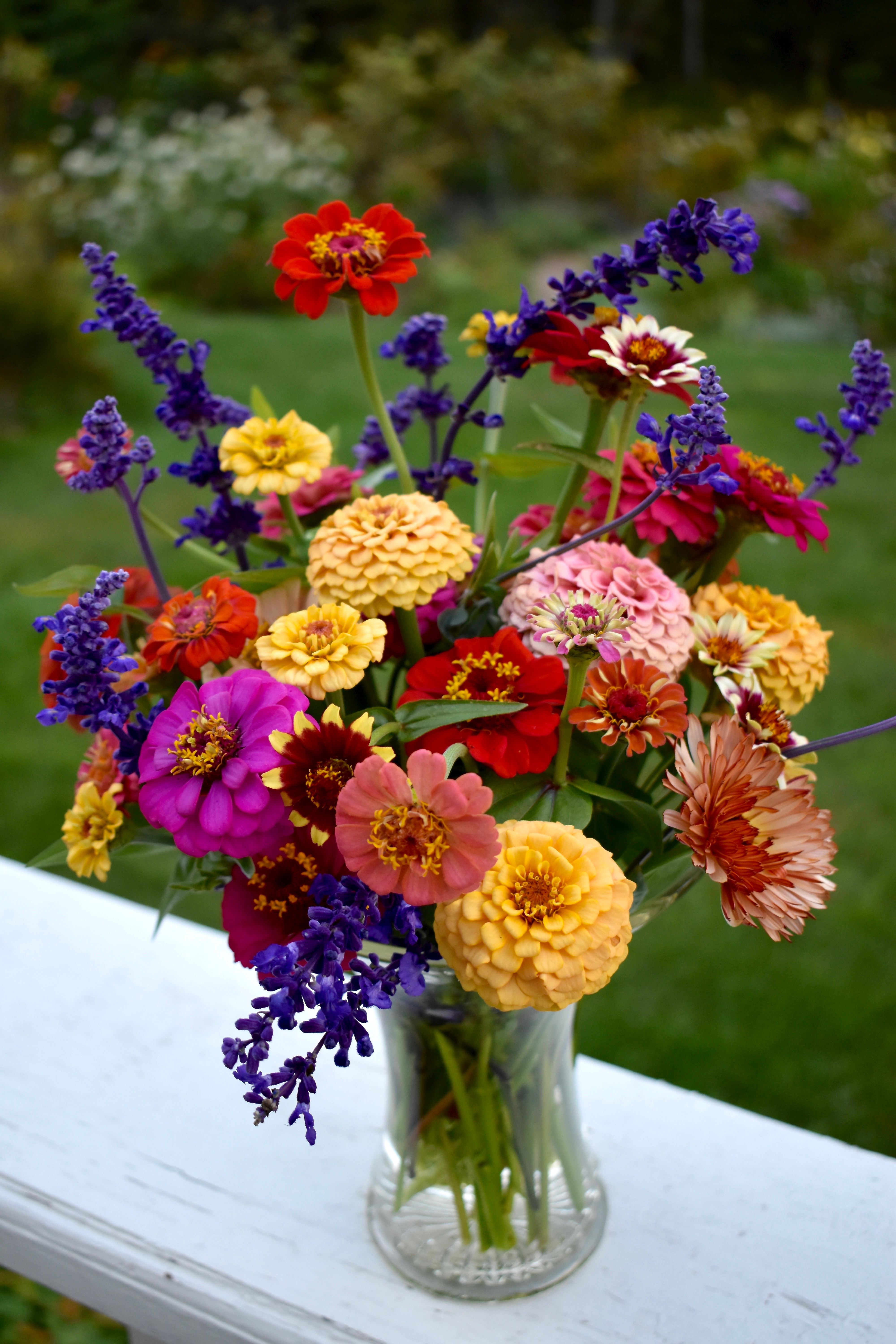 A week ago, we had our first frost. Beforehand, I spent several hours in the garden harvesting what I could and ended up with five arrangements, the first of which I posted last Monday. Here is the second one, a mix of several hybrid Zinnias, Mealy Cup Sage (Salvia farinacea) and somehow, only one Calendula (C. officinalis)! Can you find it?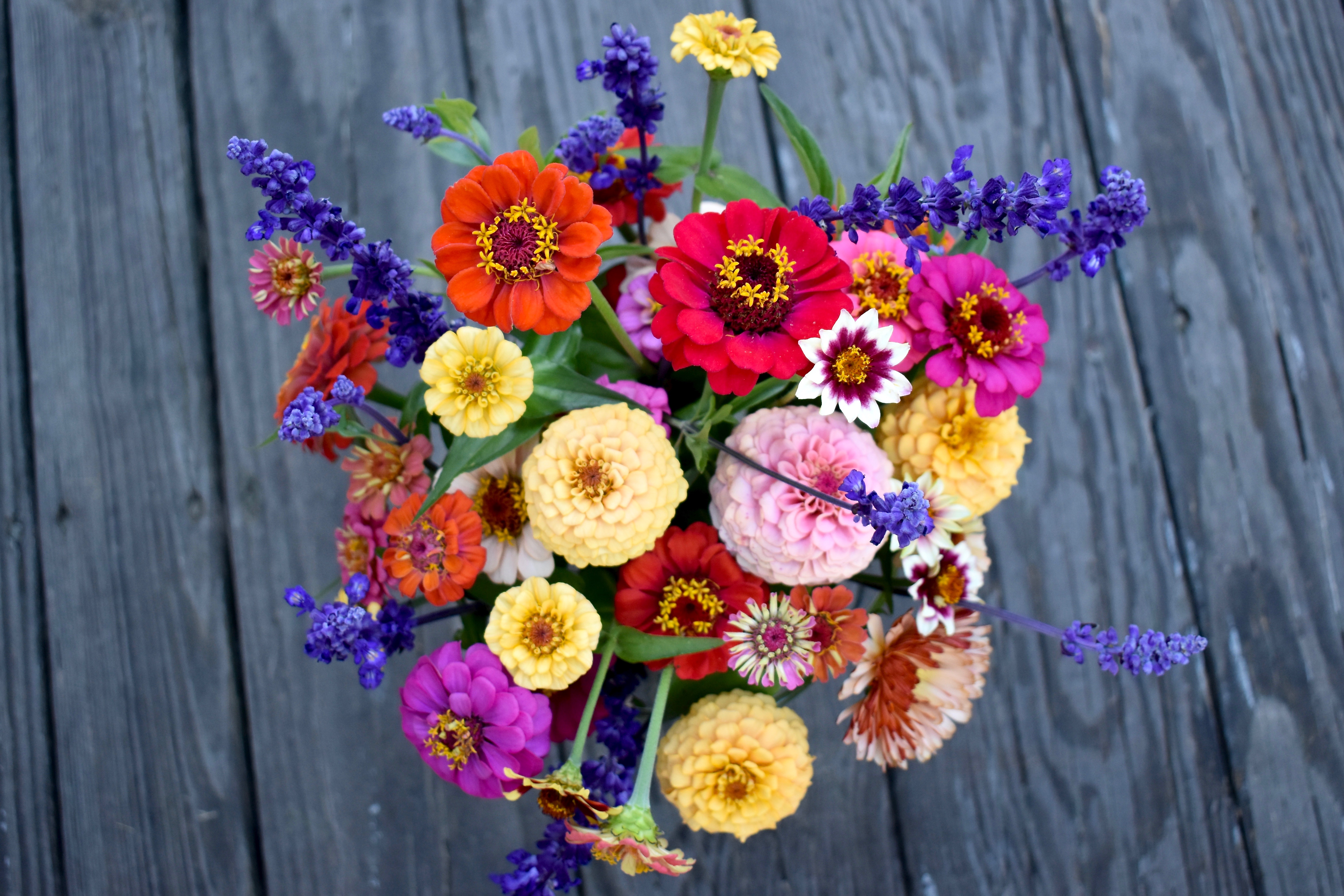


 Eliza Waters