
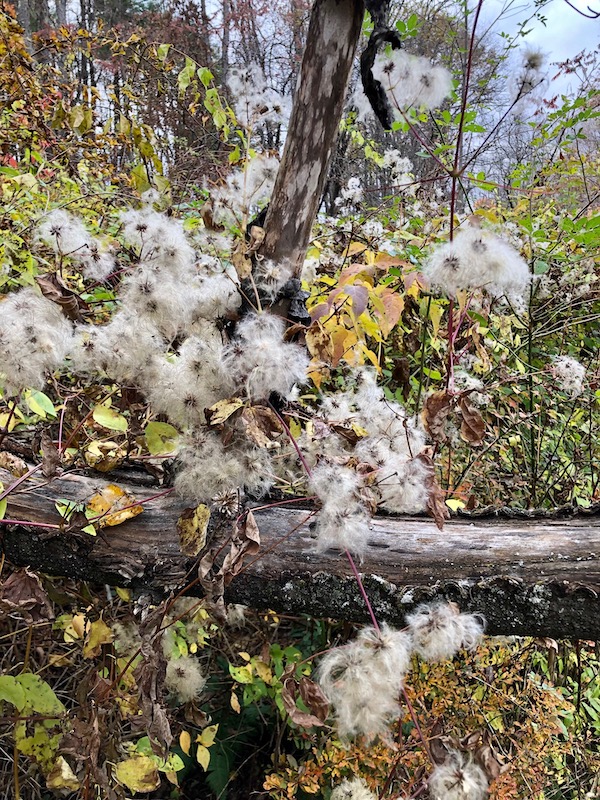
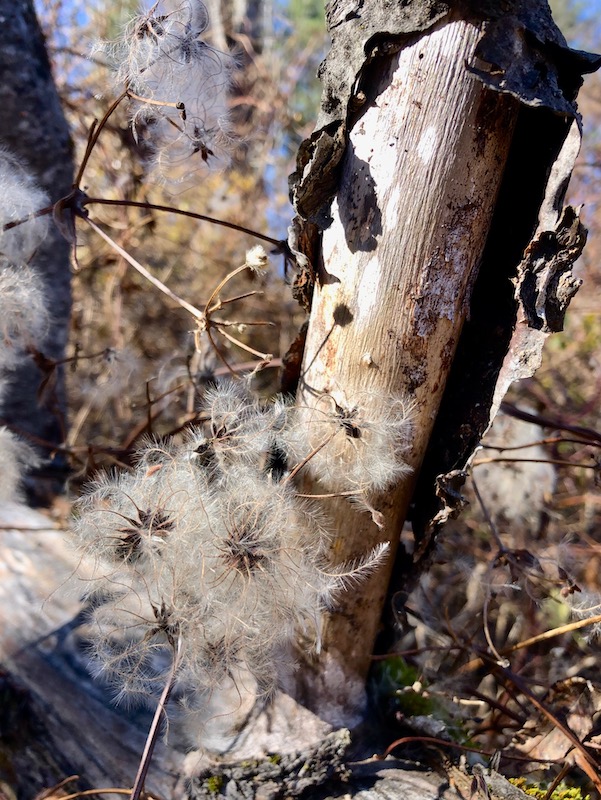
Virgin’s-bower (Clematis virginiana) seed succession October 10, October 25, November 15
Virgin’s-bower (Clematis virginiana) seed succession October 10, October 25, November 15

The daily life of an addict in recovery
In love with gardening
My Life through the Viewfinder/LCD
...but change is certain.
casual scribbles of existence
Exploring sustainability
Awesome Travel Experiences | Best Places To Visit | Great Things To Do
In nature, we find hope, praise and harmony.
A 50 year Anniversary Blog started August 2023, of gardening experience in a harsh zone three climate, daily challenges and successes.
Musings on cats, travel, gardens and life
A Photo Journal
This is where my soul exhales in verse — welcome to my uniVerse.
Notes from the field, essays, and observations.
Poems, Poetry and more
adventures in my gardens
Sewing is my passion
Shelley M. White -Author: Cannabis for Lyme disease // Clinical Herbalist: Lyme disease and co-infections // Yoga Instructor // Nutritionist
"Consider the birds of the air...."
nature + landscape photography / 123 degrees west, 45 degrees north / earth


 Eliza Waters
Very calming
Thank you, Alex, glad you found it so. 🙂
It is interesting to note the changes 🙂
The conveyer belt of the seasons is always moving!
Lovely to see the gradual transformation Eliza! 💛 xxx
Thank you, Xenia, as I walk by it daily, it was something I noticed. I only wish I had thought to get a shot in bloom. That would complete the cycle!
The seasons are still speaking dear lady, all in their own way. Great photo’s 🤗❤️🙏
Thanks, Mark. 🙂
There’s no mistaking a Clematis. Central Texas Clematis drummondii makes the same journey from bloom to fantastic fluff, but I’ve never seen C. virginiana at this stage. I came across it once, blooming in far east Texas, and was amazed by its climbing ability, which your photos suggest!
Thank you, Linda. It is a great native climber and seems to favor moist woodland edges. I’ve included a couple post links in the comments of different stages, in bloom and snow-dusted, if you are interested.
So fluffy! Please post a photo, next year, when it’s blooming.
Thanks, Alice. No need to wait: https://wp.me/p3O3z4-2n6 😉
That was instant gratification! Thank you!
My pleasure!
Eliza, thank you or sharing these succession photos. I can’t help but think of the birds that would love to put all that fluff to good use. Will it last the winter, or will the wet and snow put it to bed?
Thank you, Alys. They will hang on until the late winter winds send them up and away. They do look beautiful with a dusting of snow: https://wp.me/p3O3z4-2EM
Yes they do! Thank you for directing me to your photo.
The spent seedheads of many Clematis are almost as wonderful as the flowers. Sadly, the seedheads of the one and only Clematis I’ve had success with (C. terniflora), don’t amount to much.
https://krispgarden.blogspot.com/
Thanks, Kris. That might be a blessing, as these and a few other species will self-sow rather abundantly, often showing up in awkward places. I’m always charmed by the seed heads of C. recta purpurea in the fall, then if I wait too long to deadhead, I have many seedlings to weed come spring!
Very pretty! And it’s nice to see how this one changes over time.
Thank you, Debbie. A bit like Dr. Seuss hair! 😉
Great photography, Eliza.
We have a clematis very similar, if not the same as yours. Clematis microphylla.
The first photo looks the same as ours, but the 2nd and 3rd look more ‘fluffy’.
(I hope I’ve got the name right for our Australian species – I’m not always good at identifying plants and flowers, even with an ID app).
Thank you, Vicki. A genus with about 380 species across temperate climates, I would expect at least one in your area. The hybrids get a lot of attention, though the wild ones like these aren’t as showy, but they smell very sweet. 🙂
The end of a spectacular season. Now it should rest and rejuvenate and get ready for spring!
Rest is good! 👍🏼
Sooo pretty.
Thank you, Monika. Almost as floofy as Wilson! 😀
😂
From the get-go we can tell that this is a Clematis. That genus works wonders with its seed heads. The distribution map for Clematis virginiana shows it covering the eastern half of the country and a good-size swathe of Canada as well.
What a neat idea to present the same scene as the season progresses. Love it.
Thank you, Debra. These vines/flowers/seed heads are rather captivating!
Captivating progression – the seasons keep things changing so quickly.
Thank you, Barbara. Seemingly faster and faster, too!
Beautiful images to show the changes over time.
Thank you! 🙂
So nice to see this captured and made plain!
Thank you, Allison! They are almost animated. 🙂
Such pretty seeds
Thank you, Karina!
A lovely series – the seeds and fluff are beautiful. The wild clematis I found last year didn’t come back, unfortunately.
Thank you. A beautiful plant year round. There is a lot of it along our river… perfect habitat for it, I guess.