Mother Nature Owns Your Garden

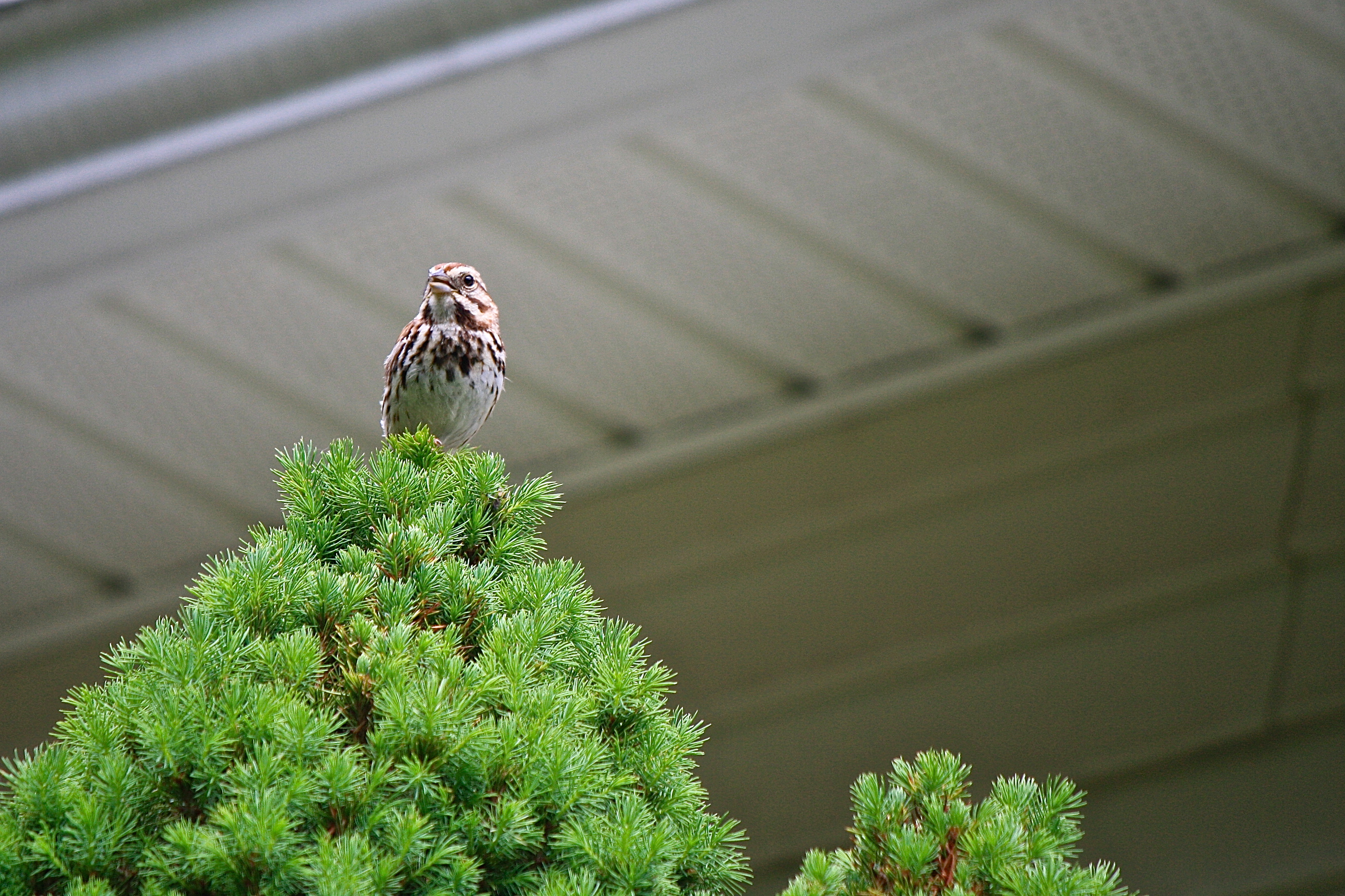
Song Sparrow sings from "his" Alberta spruce

Song Sparrow sings from “his” Alberta spruce

A few years ago while reading a garden anthology that featured several authors, one article by Gene Logsdon, aka The Contrary Farmer, gave me a new perspective on gardening. Up until that point, I had always viewed my yard and garden as my space, under my control, apart from Nature. He wrote that while most humans share this point of view, Mother Nature sees no delineation; all is her domain. When I realized how right he was, I had to laugh at myself for such pompous, egotistical thinking for all those years.
IMG_0402

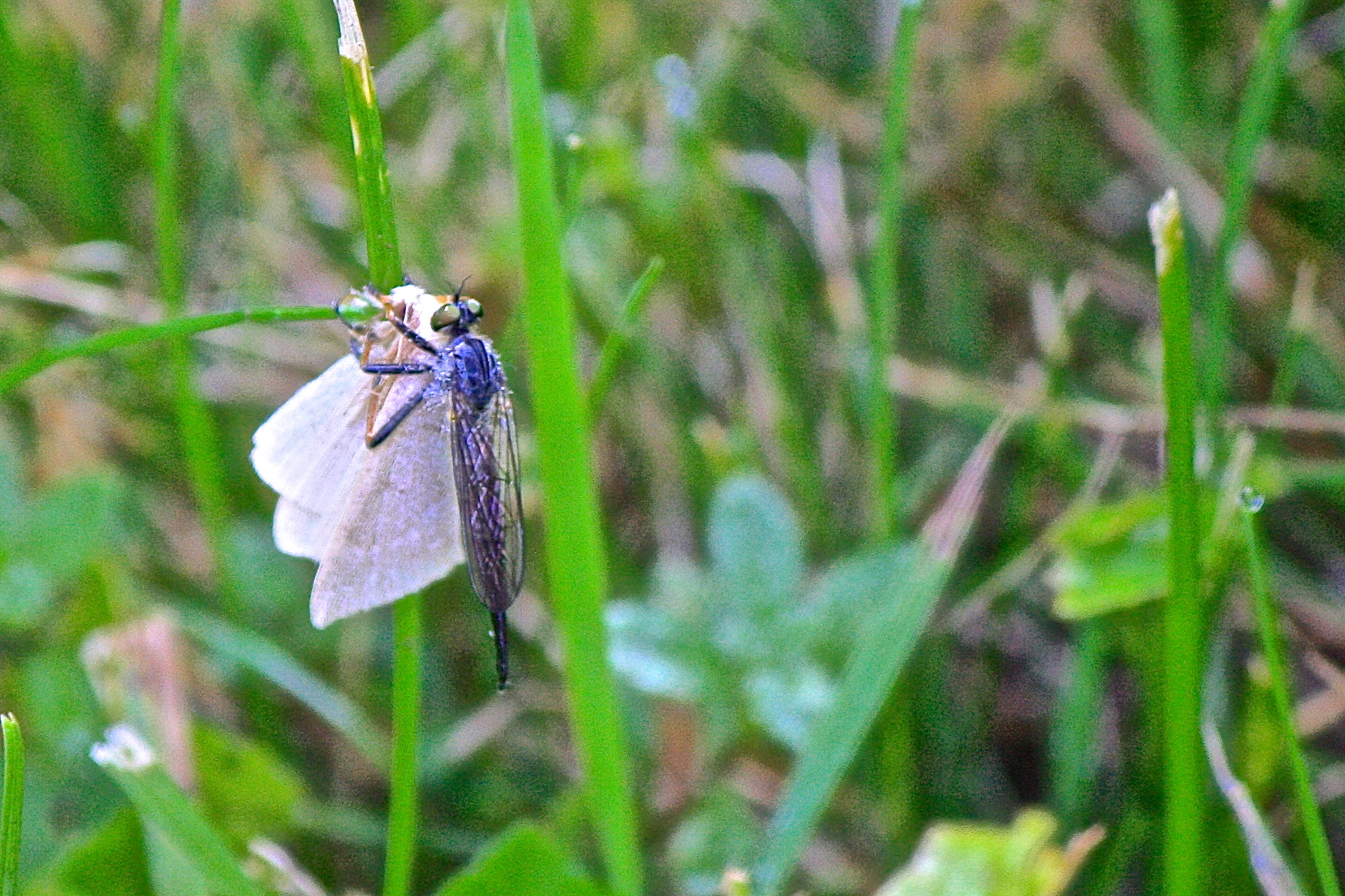
Robber fly (?) with moth on mown lawn

Nowadays, I don’t try as hard to control my garden space, as to work with Nature to create my visions.  Many of my beds I’ve let “return” to Nature (again, as if they were once apart!) and it is interesting to see what perishes and what survives. Not surprisingly, the balance favors mostly natives, however, I can see how invasive species from other lands can march through and quickly take over. Things that look so pretty and innocently little in a nursery can become nightmares. Knotweed, bittersweet, goutweed, loosestrife and most of the mint family come to mind. I think nursery owners should be required by law to state a plant’s true aggressive nature!

Garden, wild field and woods - all the same!

Garden, wild field and woods – all the same!

When my garden work overwhelms me, I try to remember that I am not trying to reach a goal, but I am involved in a process that never ends and thankfully so. It is that very constancy, the ever-present creative force that we depend on. What would we do if it stopped? Yes, the weeds, slugs and aphids would be gone, but as well so would the beautiful flowers, good food and beneficial insects. What we really want is balance and the peace that comes with it.
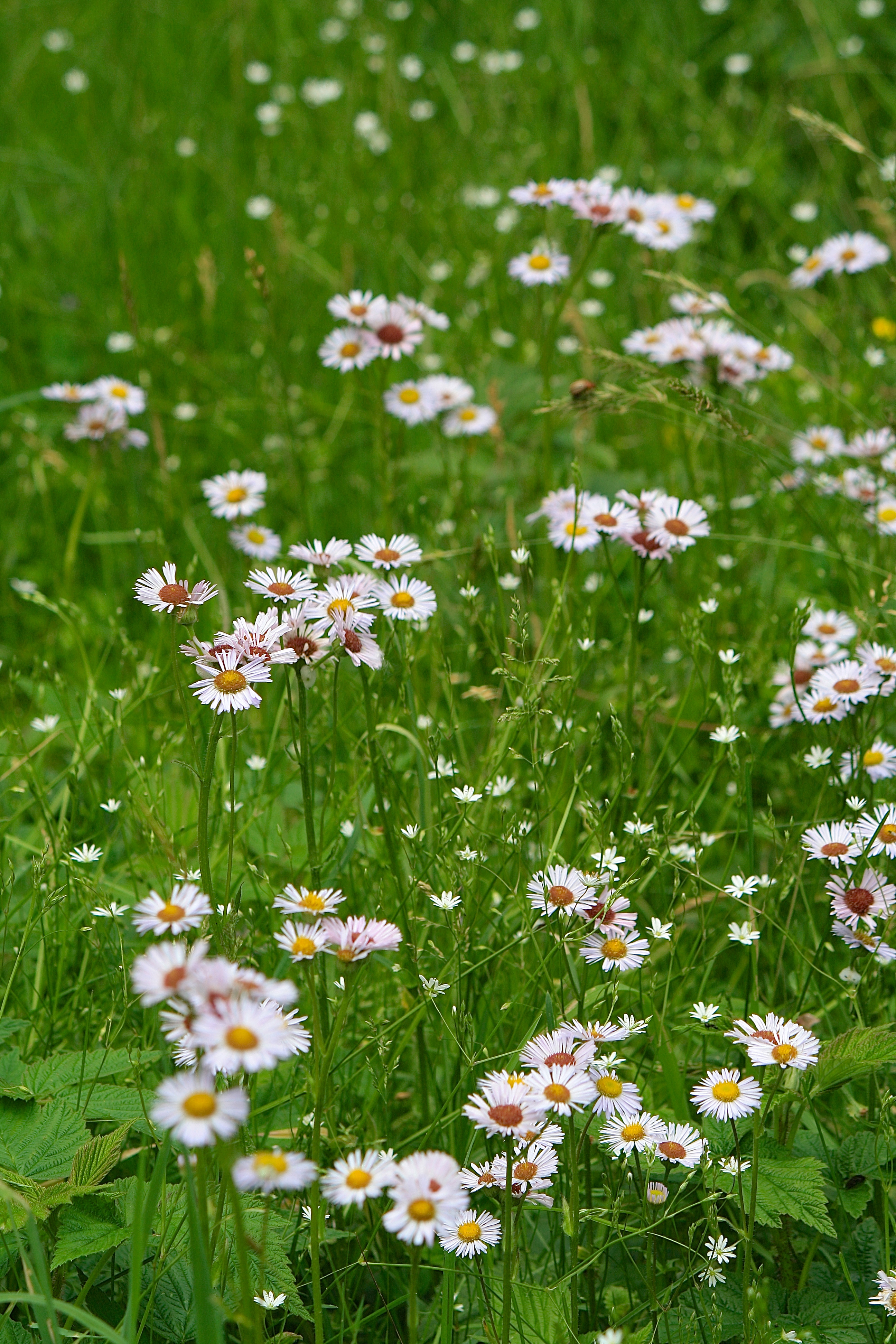
Wildflowers replaced former lawn

Wildflowers replaced former lawn

Many times I think Ma Nature is a better garden designer than I am. Often while walking in the woods or fields, I’ll stop to note beautiful combinations of wild plants that seem artfully arranged and think how I could use the design. (Nothing new here, humans have been imitating Nature since pre-historic times.) When self-sowing plants grow in my gardens I’ll let a few stay when they complement and improve the design I laid out. I am simply a director in her domain. I know nothing is ever static in a garden – it’s always changing and evolving. The gardening process is the point and I can rest easy with that.

Posted in Country Gardening, My Photos | Tagged , , , , , , , , | 35 Comments

A Single Grateful Thought

IMG_0247“A single grateful thought toward heaven is the most complete prayer.”

–Gotthold Lessing

Posted in Inspirational Quotes, My Photos | Tagged , , , , , , | 17 Comments

Poppies

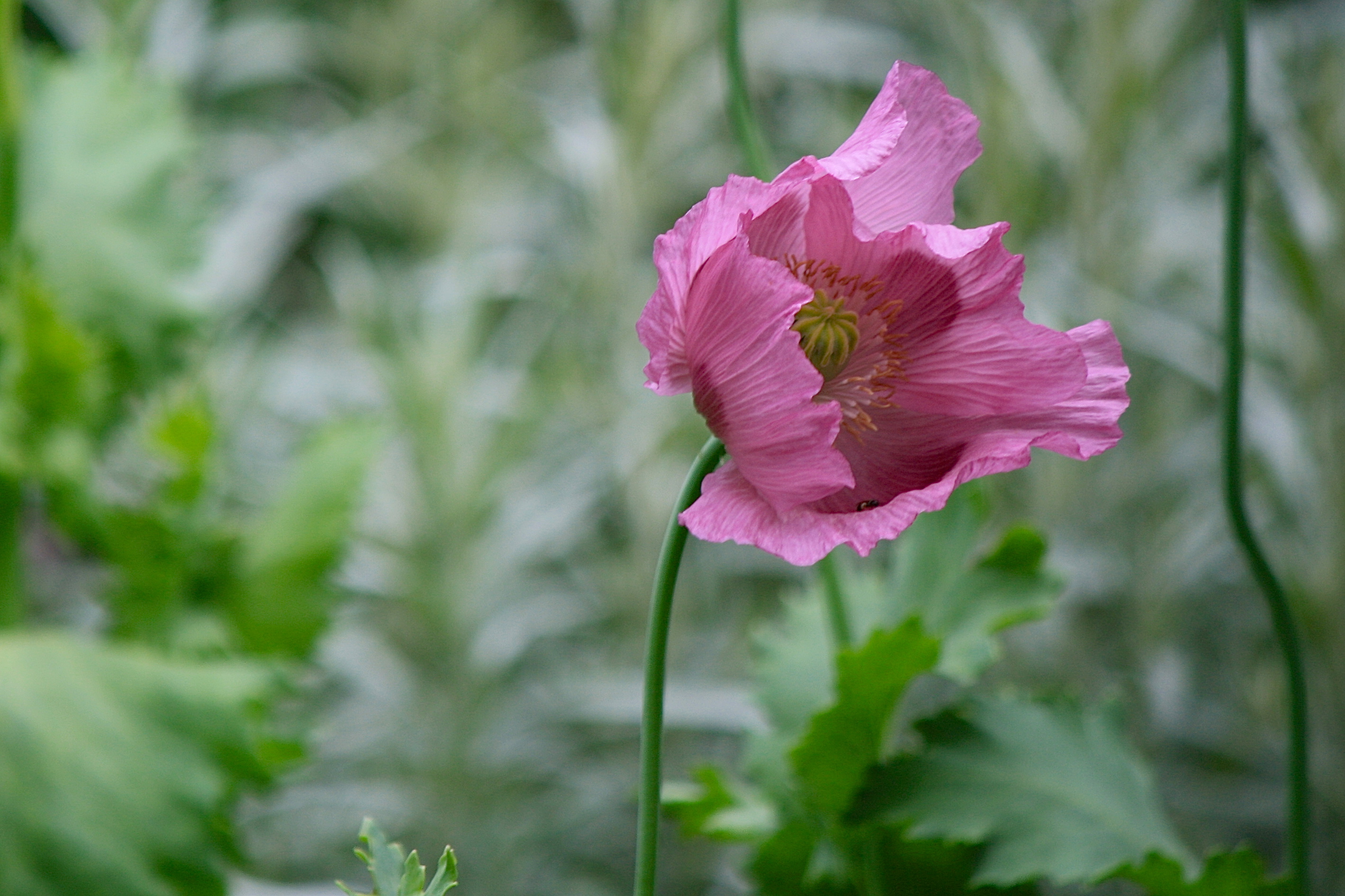
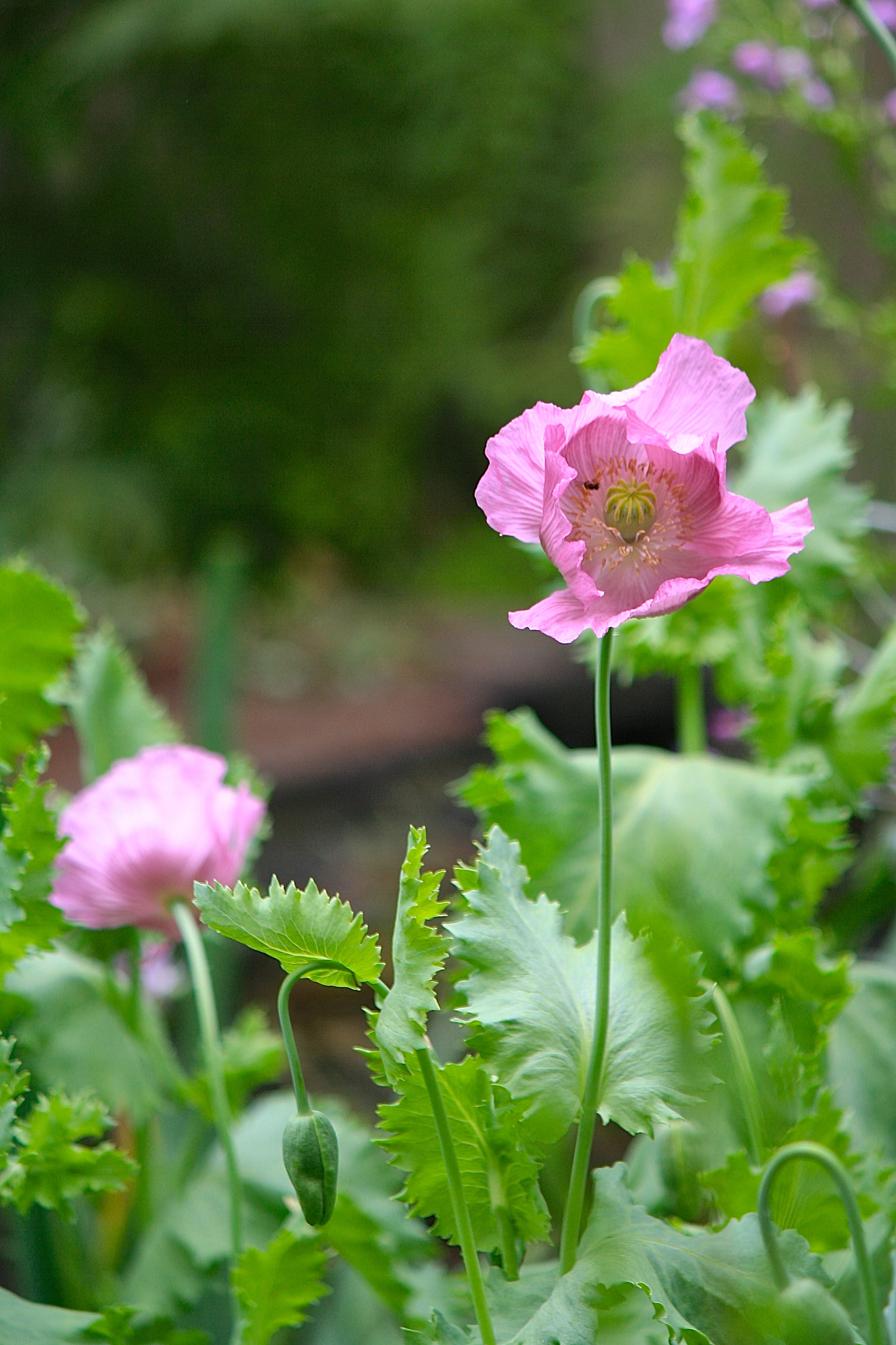
IMG_0454Lettuce Leaf Poppy (Papaver somniferum)

Also known as Breadseed Poppy, this is one of my favorite self-sowing annuals that puts on quite a show in early summer. Only lasting a day, the delicate blossoms of papery petals are a lovely mauve color atop gray-green, sharply serrated foliage. This type of poppy comes in white, pink, red and purple colors, as well as fringed and double varieties.

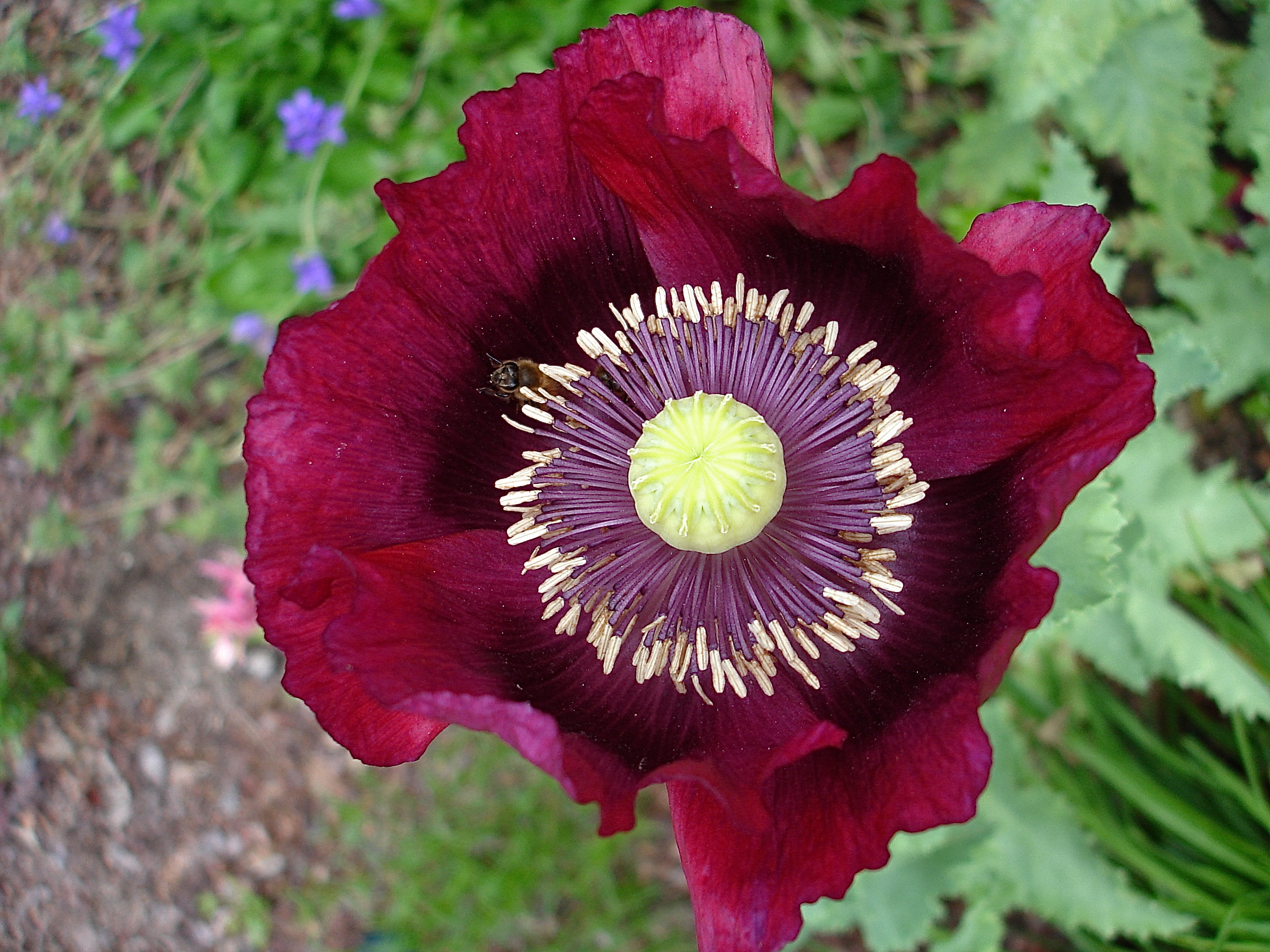
Beloved by bees for their abundant pollen, I often get cross-pollinated seedlings with a red variety I grow in another bed, which can result in a lovely raspberry color. I try to keep the separate beds true to color, as I once almost lost the mauve in a sea of red, so if a red pops up in the mauve bed, I do not let it to go to seed.

July-Aug07 (5)

Happy bee in red/mauve cross.

Each seed pod contains dozens of tiny seeds that can be used for baking and cooking Eastern European and Indian dishes. I love lemon poppyseed muffins and fat bagels sprinkled liberally with poppy seeds. This is also the poppy from which opium is made, but one would need acres of poppies to collect enough sap to make trouble here!

IMG_0457

After blooming, I generally allow only a few of the best plants go to seed and yank the rest, as they soon become unsightly, decimated by slugs and sooty mold. The pods can be used in dried arrangements after the seeds have been sprinkled around the garden for next year’s bloom. They reproduce prolifically and for best bloom, I thin the seedlings in spring to about a foot apart. It is quite amazing that they grow in two short months from a tiny seed the size of a comma to this lush, 24″ bloomer! Mother Nature is full of wonders, isn’t she?

July-Aug07 (8)Can you see the bee?


Posted in Country Gardening, My Photos | Tagged , , , , , , | 23 Comments

Turk’s Cap Lilies

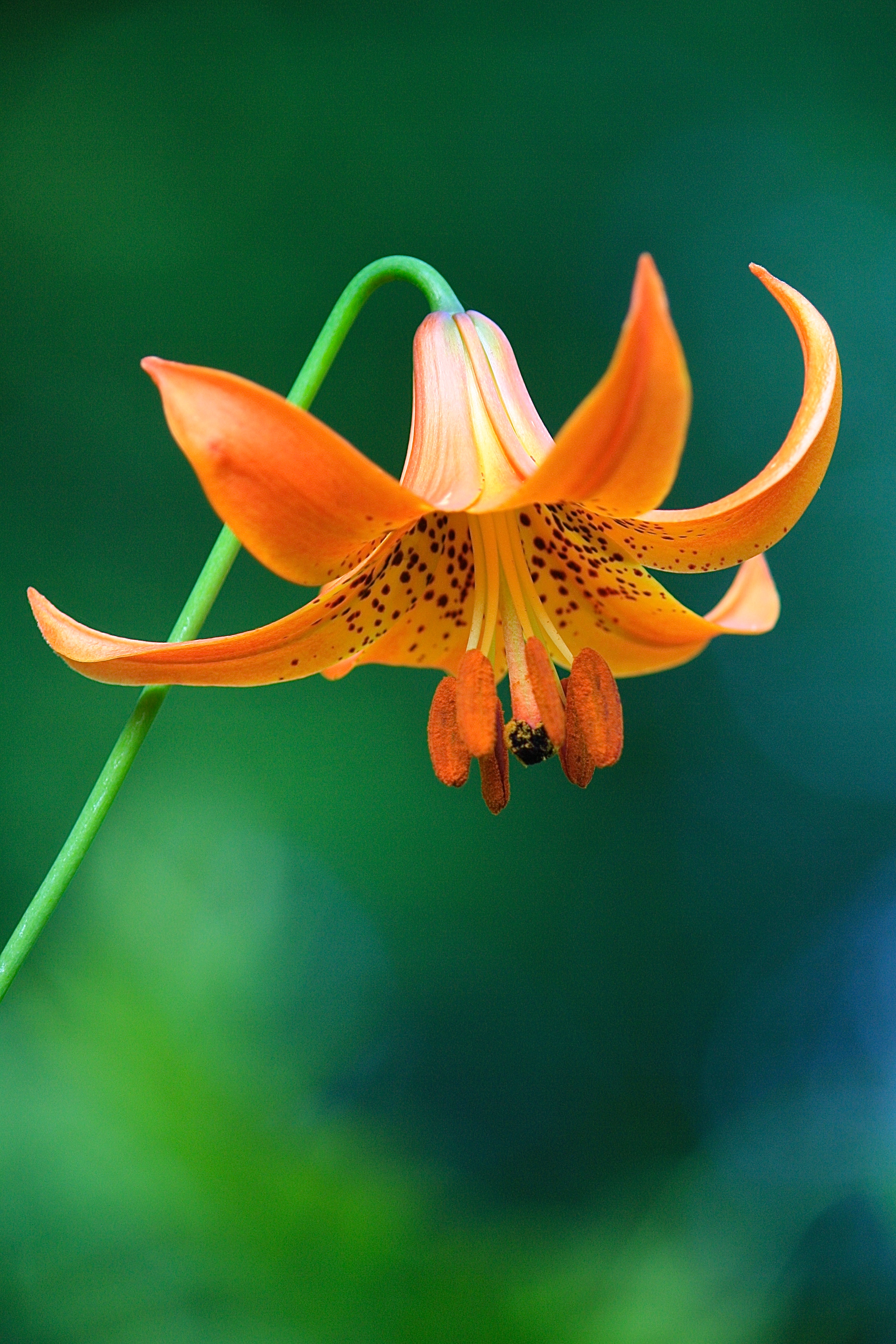
IMG_0363Turk’s Cap Lilies (Lilium canadense) are now at peak bloom in our woodland. Easily distinguished by their vibrant orange, recurved petals that earn them their name, their annual bloom is an eagerly awaited event for us.

IMG_0367

Native to eastern U.S., this graceful wildflower thrives in moist, well-drained meadows and woody thickets, flowering best in full sun with up to twenty blooms per plant. Our heaviest bud count this year is thirteen.

IMG_0372

Like many other cherished perennials, they bloom only for a short time in early summer. If they are not munched by deer, which find them a delicacy, or devoured by the noxious European red lily beetle (which is seriously decimating all our true lilies), they go on to form seed pods that resemble green hot-air balloons.

Scarlet lily beetle (Wikipedia photo)

Scarlet lily beetle (Wikipedia photo)

In the fall, these pods turn brown and crack open to reveal stacks of winged seeds that are dispersed by the wind. Often, we will grab a handful to sow on our walks to help increase their number.

Native plant nurseries offer bulbs for sale, but be warned, rodents love to eat them so to protect your investment, take precautions to discourage them from nibbling. Wire mesh baskets seem to be the easiest, longest lasting and least toxic method.

Siting is very important – they cannot tolerate dry soil, preferring evenly moist, well-drained, neutral pH soil enriched with compost. As I mentioned before, full sun is best, although part sun is tolerable. Mulch well and underplant with ostrich ferns, which shade the bulb roots and complement this lily’s unique beauty.

Posted in Country Gardening, Field Notes, My Photos | Tagged , , , , , , , , , | 31 Comments

Old Barns

Old Barns

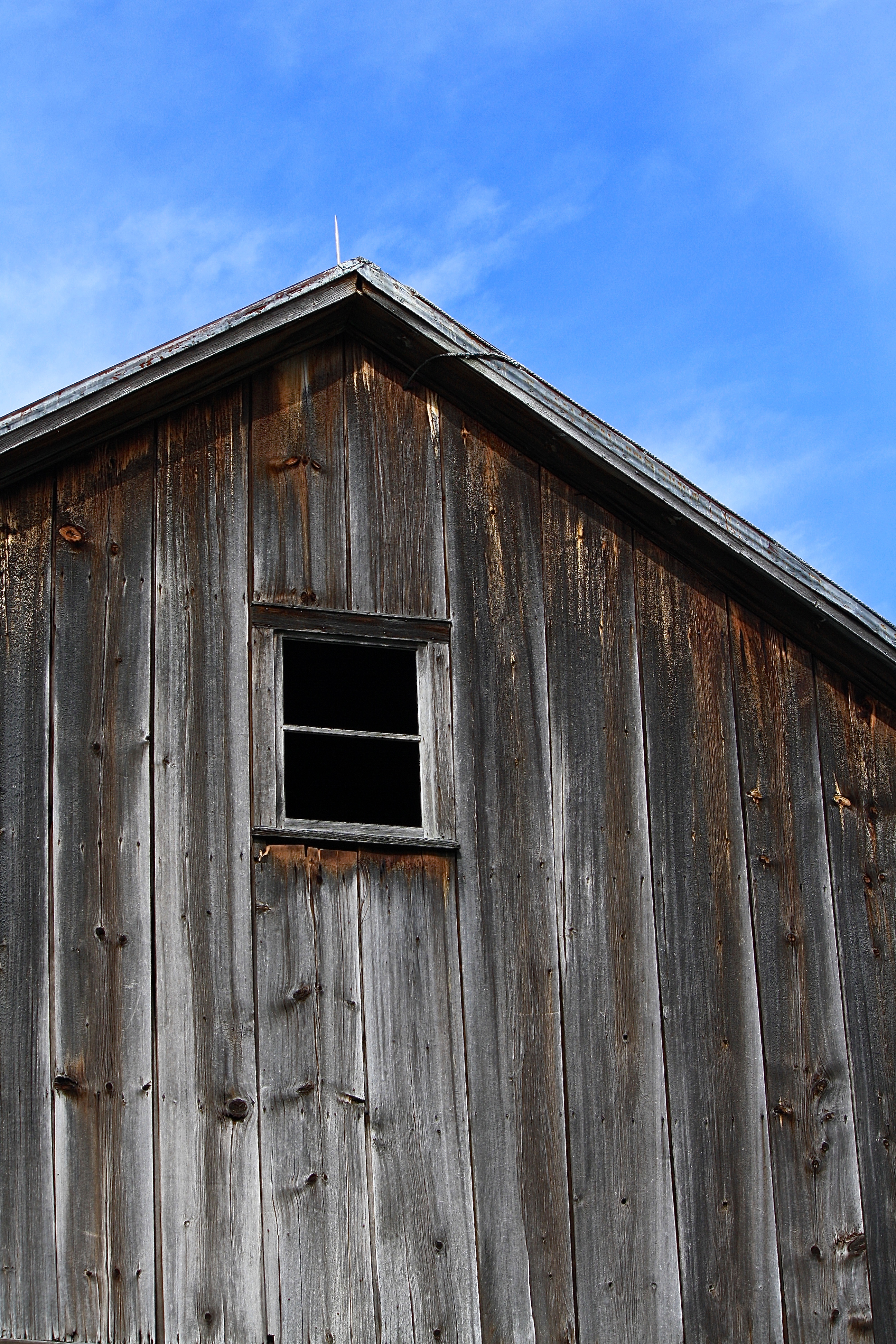
There is an aura of stoic sagacity around old barns. As I mentioned in my previous post, many family farms in my area are no longer operating and their weathered outbuildings are left to decline. These two are still standing, showing their age with grace and beauty. Eventually in time they will succumb to gravity, probably after a heavy winter snowstorm.

IMG_0164

Weathered boards, glass-less windows.

IMG_0166Old slate roof well-crafted long ago, walls sag under its weight, pockets of sky, vines clamber through cracks. She is an elderly person leaning on a rickety fence.


Posted in Country Living, My Photos | Tagged , , , , , , | 32 Comments

Acres of Sky

Acres of Sky

Acres of Sky
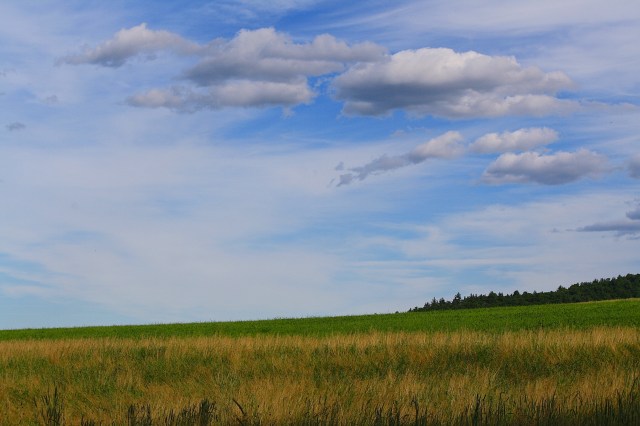
One of the few places in my town where there are still open fields. Many farms from my childhood no longer operate and have returned to forest. This one is a real treat as the view from the top stretches for miles and miles.

Posted in Country Living, My Photos | Tagged , , , , , , , | 17 Comments

Morning Has Broken

Morning Has Broken

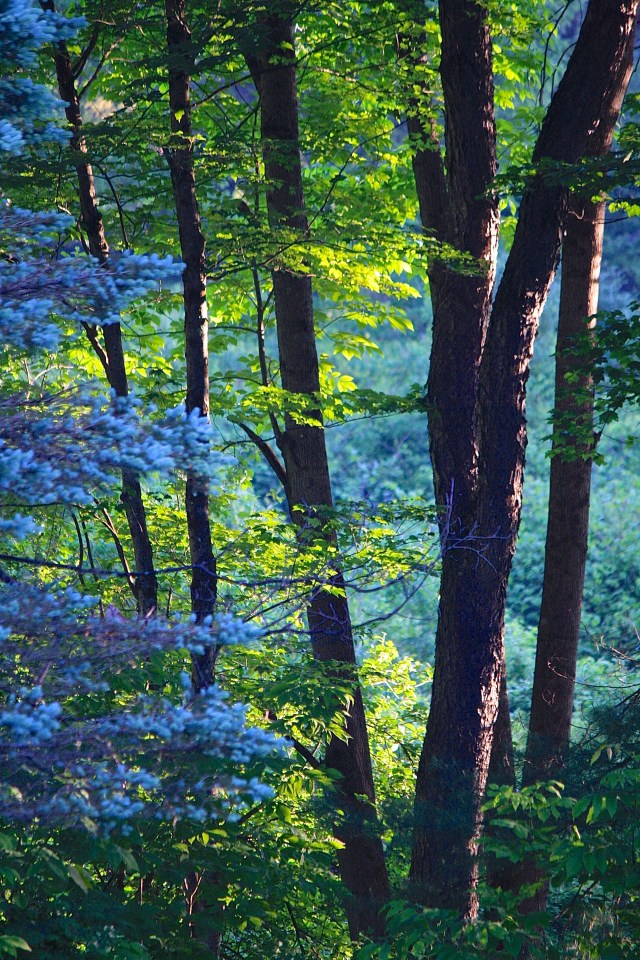
The light of dawn touching the trees in my back yard.

Happy Summer Solstice!


Morning has broken, like the first morning
Blackbird has spoken, like the first bird
Praise for the singing, praise for the morning
Praise for the springing fresh from the word

Sweet the rain’s new fall, sunlit from heaven
Like the first dewfall, on the first grass
Praise for the sweetness of the wet garden
Sprung in completeness where His feet pass

Mine is the sunlight, mine is the morning
Born of the One light, Eden saw play
Praise with elation, praise every morning
God’s recreation of the new day


Hymn by Eleanor Farjeon (1931) to the Scottish Highland tune “Bunessan”

Posted in Country Living, Inspirational Quotes, My Photos | Tagged , , , , , , , | 27 Comments

Columbine ‘Nora Barlow’

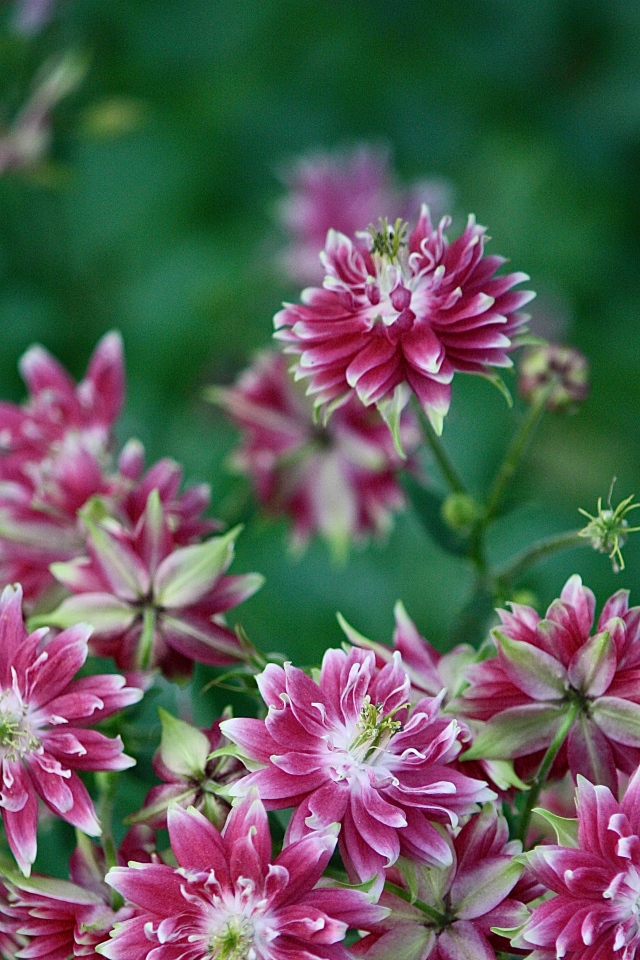
Columbine 'Nora Barlow'Aquilegia vulgaris var. stellata ‘Nora Barlow’

This old-fashioned double columbine, sometimes called Granny’s Bonnet, is a great self-sower and over time will create small colonies. Beautiful and graceful, I have mine with variegated hosta, barrenwort (Epimedium rubra) and lady’s mantle (Alchemilla mollis) in a bed with morning sun and also in my front border with white bleeding hearts (Dicentra spectabilis alba), foxglove (Digitalis), wild ferns and lambs ears (Stachys byzantina ‘Silver Carpet’), which also receives a half day of sun. Columbines will tolerate shade, but will bloom more profusely the more sun they get. Zones 3-10, easy grower, evenly moist soil in sun to part shade, pH 6-7.5 is ideal.

IMG_9792 IMG_9794

Posted in Country Gardening, My Photos | Tagged , , , , , , , , | 33 Comments

Wood Turtle

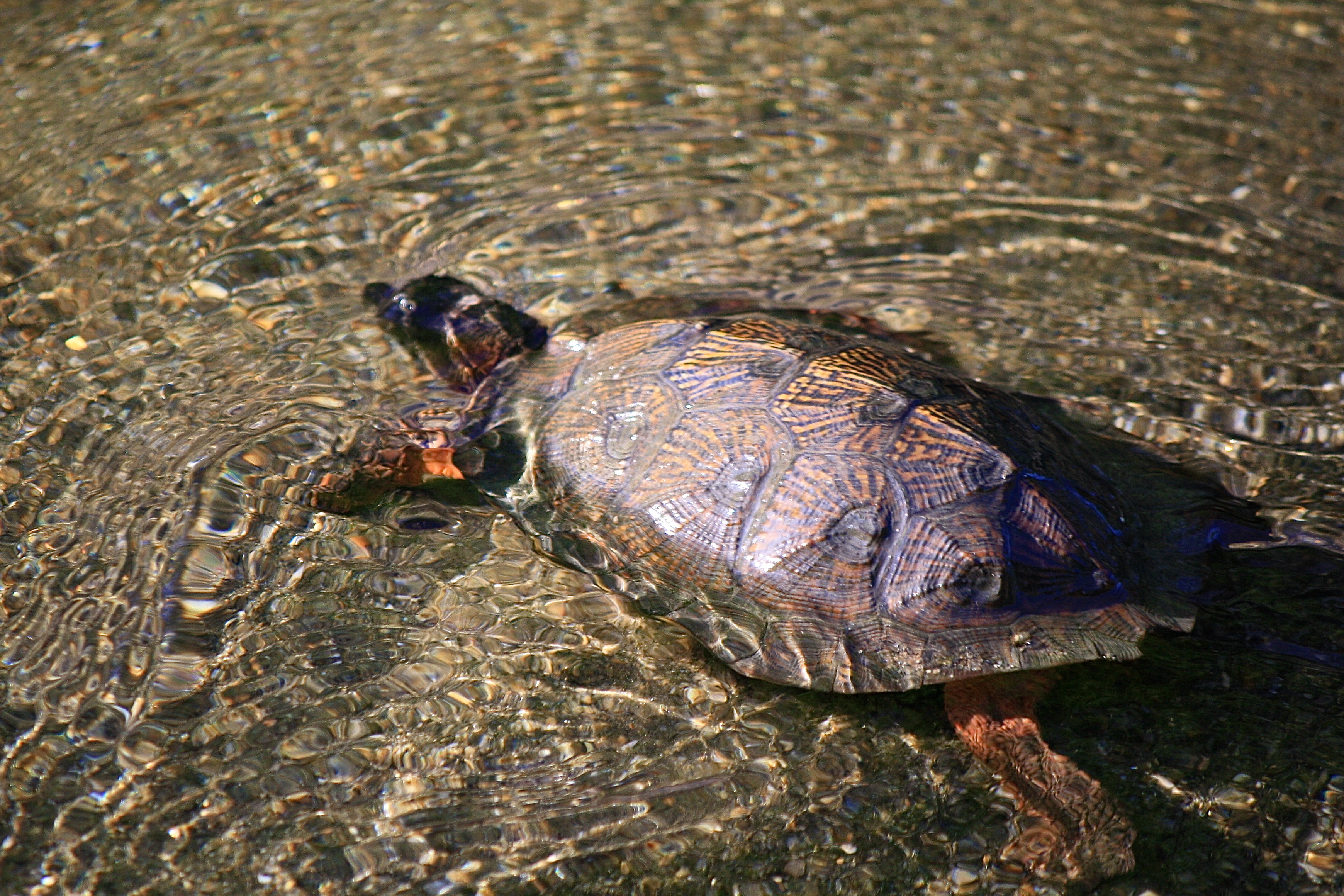
IMG_9924I was surprised to come across our resident Wood Turtle (Glyptemys insculpta) today sunning herself on the bedrock outcropping on our small river. Listed as species of special concern in Massachusetts, I usually see this one at least once a year, generally in the same vicinity of our stream. We communed for a long while, but the activity of the dog, who barely noticed the small creature, combined with humans too close for comfort, sent her heading for the safety of water. Once wet, the beauty of her shell scutes, both in texture and color became apparent.

IMG_9959I believe I have the sex right: females have flat plastrons (bottoms) and males are concave. As she was making her getaway, I waylaid her for a few seconds to grab a shot of her patterned plastron.

IMG_9930I felt a bit sorry to have disturbed her, but she didn’t seem too bothered, pulling her head, tail and legs in a classic defensive posture. As soon as she was righted, out she came and continued on her way. This is the first time I was able to get close, all the other sightings were too far away. These turtles can move pretty fast when they need to!

From what I read, they are omnivores with their favored food being earthworms and corn. The warm months find them living and feeding mostly on land, in fields, riparian woods and bogs, finding shelter in burrows and overhanging vegetation. Turtles seen sunning themselves aren’t just sunbathing for warmth, they need to dry their shell and skin to prevent fungal growth, which can adversely affect their health. They overwinter in muddy banks and stream bottoms and can live up to 100 years. Threats to their population are human development and habitat destruction, roadways, domestic pets and predators (particularly to hatchlings), and pollution. It is illegal to possess these as pets.

Lastly, I thought I’d include the symbolism of turtles which is peace, staying grounded, determined, slowing down, emotional strength and ancient wisdom. I’ll take my sighting today as assurance that I’m on the right path, stay the course and keep my solid connections with Mother Earth!


Posted in Field Notes, My Photos | Tagged , , , , , , , , , | 30 Comments

Spring Green

IMG_9642Our waterfall dressed in Spring Green. Isn’t she lovely?

Escaping into Nature is good for us. The sound of falling water tumbling over stones and the color green have been proven stress-reducers. I feel so blessed this view is just steps from my back door. There is no trouble that she can’t soothe or day that she can’t brighten. I invite you to take a drink from her waters!

Posted in My Photos | Tagged , , , , , , , , , | 39 Comments